Plans for NYE and New Years Day in Abingdon


There are posters for New Years Eve celebrations at four of the Abingdon pubs, but most pubs have something on. Some pubs are walk-in, but there are also ticketed nights which need booking.

The Blue Boar, which reopened on 21 December after a change of ownership and a refurbishment, will have a New Year’s Eve experience with DJs and lighting. Entry is free before 9pm, with a £5 charge after that.

New Year’s Day itself begins with some traditional and community events.

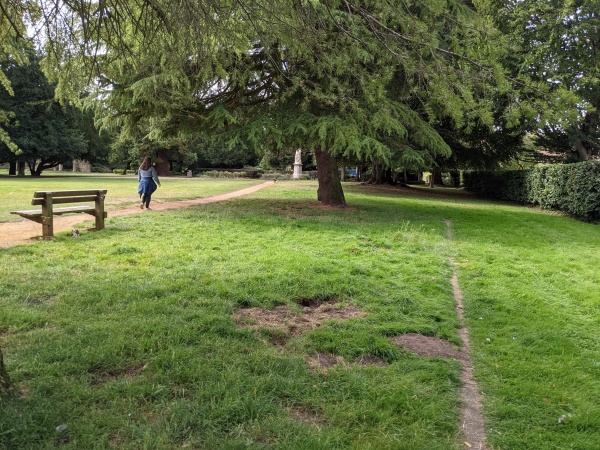
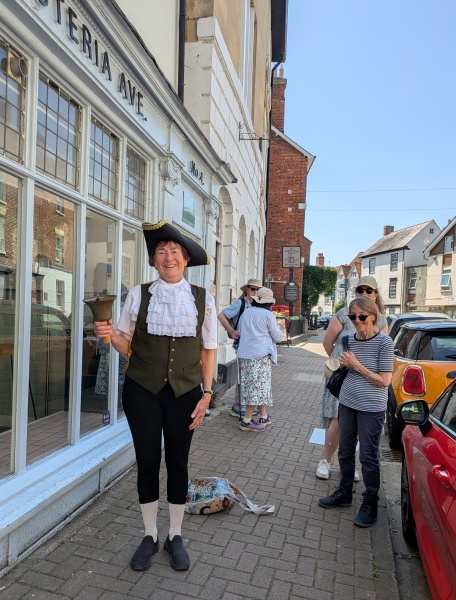
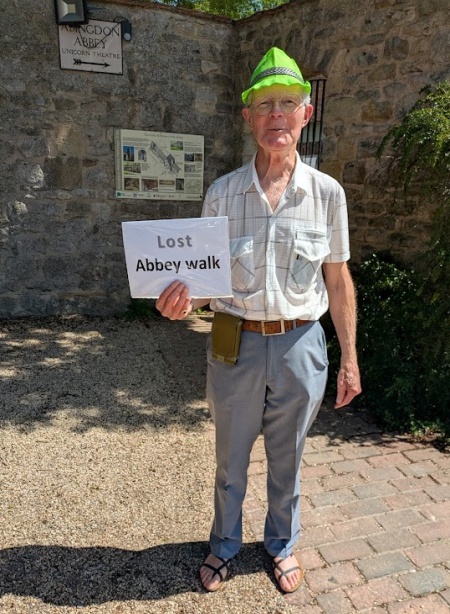
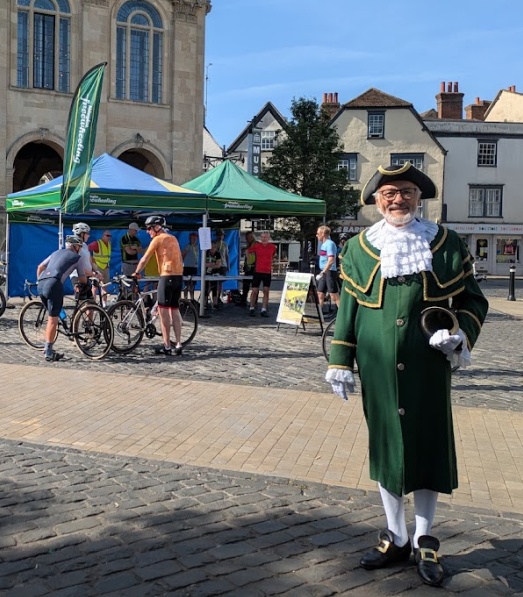
There is the annual New Year’s Day Boundary Walk, led by the town crier and a guide, tracing as closely as possible the historic Abingdon boundary as it was set out in the 1556 charter.

In addition to the usual Sunday junior parkrun, a special New Year’s Day junior parkrun is also being held. Organisers say they would love to see as many runners and volunteers as possible to help make it a memorable start to the year. The event takes place at Southern Town Park, Lambrick Way, with the briefing at 8.55am.

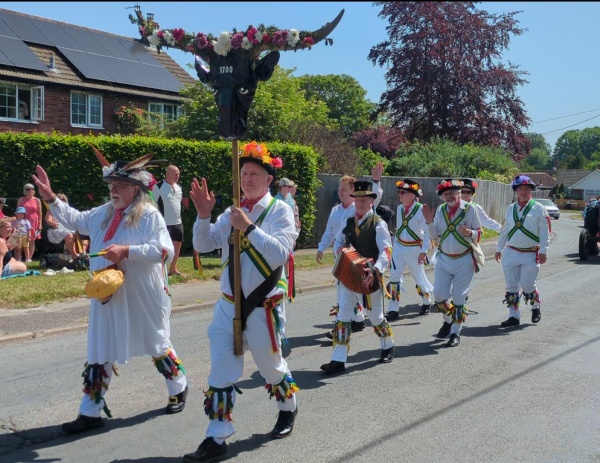
In the afternoon, Abingdon Traditional Morris Dancers will be welcoming the New Year with dancing at the Punch Bowl and the Broad Face.

Please let me know of any other events that mark the start of the New Year in Abingdon. Some communities, such as East St Helen Street, have traditions of their own, including meeting and greeting neighbours in the street after midnight. The Abingdon Blog will turn twenty, and I plan to begin its twenty-first year with the Boundary Walk in 2026, as I did in 2006. I originally intended the blog to run for just one year, but then the Radley Lakes protests got quite exciting in January 2007 with the Greenpeace sit in and I carried on blogging.

Abingdon 100 Years Ago – December 1925


The month saw a ceremonial milestone with the laying of the memorial stone for the new Abingdon Church Hall. The Archdeacon of Berkshire, the Ven. R. Wickham Legg, performed the ceremony before a large congregation. A book of parishioners’ signatures was sealed into the stone, raising nearly £28, with collections bringing the total to just over £40. The architect, J. G. T. West, presented the Archdeacon with a silver-plated trowel.

Music also supported the fund: an organ recital at St Nicolas’ later in the month drew an appreciative audience, with anthems, quartets and solos forming part of a programme which was “much enjoyed”.

A seven-year-old girl, the only daughter of Mr and Mrs J. Dix of St Edmund’s Cottages, was killed when she was run over by a lorry near The Square. The inquest absolved the driver of any blame. The jurors gave their fees to the parents.


Christmas shopping and a “white” Christmas

Abingdon experienced a “white” Christmas, though the snow was light and short-lived. Christmas Eve was cold, and the streets were crowded with shoppers who had left their purchases until the last moment. Shopkeepers decorated their windows attractively, though many noted that money was being spent on food rather than on fancy goods. Still, the streets told their own story: most people were “well laden with parcels”.

The railways struggled to cope with the surge in passengers and goods, helped by the fact that Christmas Day and Boxing Day fell at the weekend, allowing family reunions on a larger scale than usual. Roads were crowded too, despite conditions that made walking “decidedly unpleasant”.

One noticeable change was the decline in carol singers. Their absence was attributed to the growing popularity of carols broadcast by wireless, along with BBC Christmas programming, including the popular Dickens’s A Christmas Carol.

Worship across the town

At St Helen’s, Holy Communion was celebrated three times on Christmas morning, followed by Matins, a carol service, and the annual Christmas Day Lionel Bostock sermon reflecting on the Holy Family and the meaning of home and mutual love. St Michael’s saw large congregations at Midnight Mass and early morning celebrations. At St. Nicolas’, Holy Communion was celebrated at 8 and 12, the celebrant being Dr. Oldfield. Together the three Anglican churches recorded a total of over 700 communicants, with more than £50 raised for the Sick and Poor Fund.

The Free Churches held a united Christmas morning service at the Baptist Church. The sermon acknowledged the uneasy wider world. There were concerns about unemployment, housing, and international uncertainty. They gave thanks for Christmas as a brief but necessary pause, a time of peace and goodwill.

The Roman Catholic church marked the festival with a well-attended Midnight Mass, followed by High Mass and Benediction on Christmas morning. The church was richly decorated with flowers.

The Junior department of Abingdon Congregational Sunday School occasionally enjoyed practical demonstrations. Kindness to animals was the subject of a visit by ‘Roy’ – the dog, a well know hospital charity collector in Abingdon.

Christmas care: hospitals and institutions

At the sanatorium, isolation hospitals, and Cottage Hospital, Christmas trees, entertainment, and gifts were provided for patients. Wireless sets, still a novelty, played a central role, bringing BBC programmes into wards and dining rooms.

The Cottage Hospital’s Christmas menu included turkey and plum pudding, and the list of donated gifts — pheasants, cakes, oranges, sweets.

At the Poor-Law Institution, Dickens’s grim imagery was a thing of the past. Christmas Day there was described as humane and generous. Children received toys and sweets; women were given sugar and tea; men tobacco and pipes. The Christmas dinner was substantial, with roast beef and pork, vegetables, plum pudding, custard, and beer or mineral water — followed by fruit and sweets. The Mayor and Mayoress attended, and the day ended with music from the Master’s wireless set and an impromptu concert.


Boxing Day

Earlier on Boxing Day, the Market Place filled for the meet of the Old Berks Hunt, the pink coats of the huntsmen standing out amid an immense crowd before hounds, riders and pedestrians moved off together.

There was a local football “Derby” between Abingdon Town and Abingdon Pavlova, which the Town won 4–3.

The Kinema offered a popular alternative, “well patronised” and up to its usual high standard with a programme designed for children and adults.

Acknowledgements

Thanks are due to the British Newspaper Archive for access to the Oxford Chronicle and Reading Gazette for the first two stories. Thanks also to the British Newspaper Archive for the photo stories from the Oxford Journal.

Additional thanks to the North Berks Herald Library microfilm for the description of Christmas Day and Boxing Day.

Boxing Day MGs Fill Abingdon Market Place


There was a good turnout for the annual Boxing Day MG car get-together in Abingdon Market Place. At one point 53 cars were counted, with several others having already arrived and departed earlier in the morning.

The temperature hovered around 4°C, but unlike Christmas Eve there was no windchill, and the sun made an appearance. Although the official start time was 9:30 am, cars began arriving earlier, and by mid-morning the Market Place was almost full, with latecomers being carefully squeezed into spaces.

Among the late arrivals was Bridget the Midget. In 2008–09 she became the first MG to circumnavigate the globe in a single run, and has since taken part in many other long-distance adventures.

The Boxing Day meet was once an opportunity for a shared drive, but has become more of a social gathering, with drivers and onlookers chatting throughout the morning.

Getting a cup of coffee was no problem, with the cafés around the Market Place doing a good trade.
There was also fundraising for Abingdon Foodbank, who had been invited along.

Eventually the cars departed one by one, and by 12:30pm most had left. This particular MG had come over from Pangbourne.

The Market Place was once a carpark, but nowadays only MGs are allowed on the Market Place by prior arrangement. The organisers of this event are the Abingdon Works Centre of the MG Car Club.

Merry Christmas


There is a Nativity tableau outside St Edmund’s Church in Abingdon. Lit up at night and visible during the day, it shows a traditional scene in a wooden stable: Mary and Joseph with the baby Jesus in a manger, watched over by an angel, with shepherds, the three wise men, and animals, with a painted night sky and an enormous star.

The scene marks the birth Christians celebrate on 25 December, a date close to midwinter, in the Northern Hemisphere, when days are shortest and darkness strongest. Before Christianity, this time of year was already associated with looking for a turning point, the slow return of the light.

Around it sit other Christmas traditions: Father Christmas and presents, family gatherings, shared meals. Christian belief, older seasonal customs, commercial Christmas, and family life all come together at much the same time.

Merry Christmas, however you celebrate it.