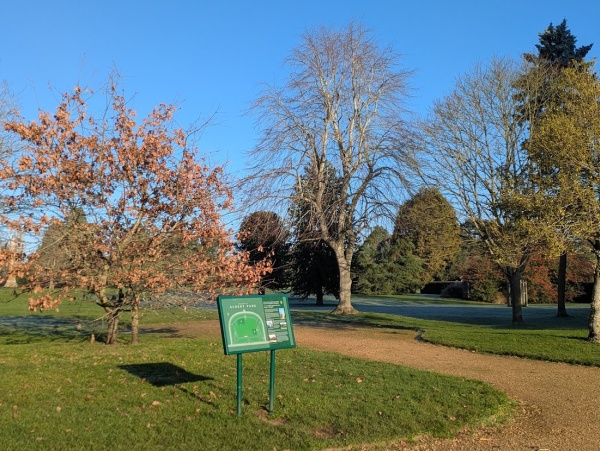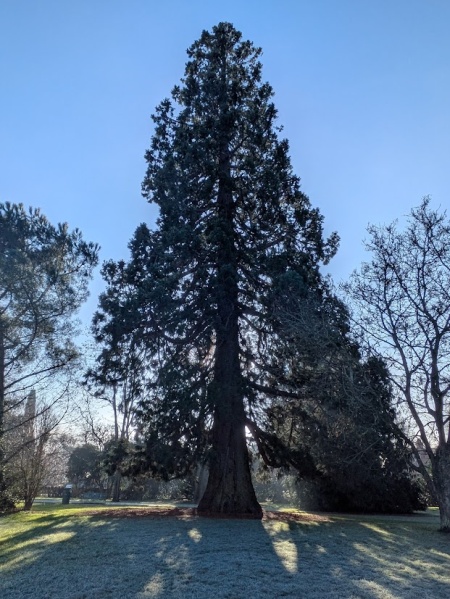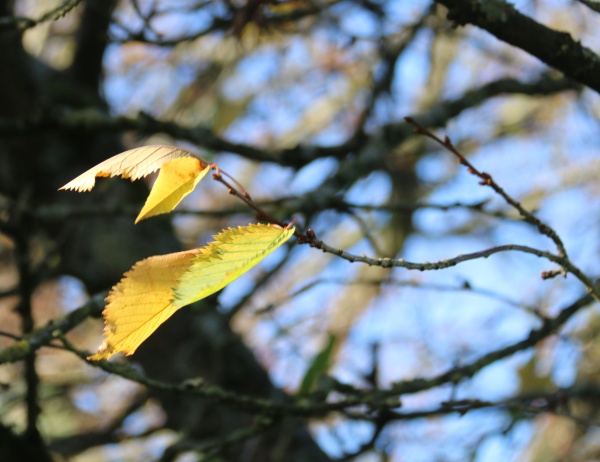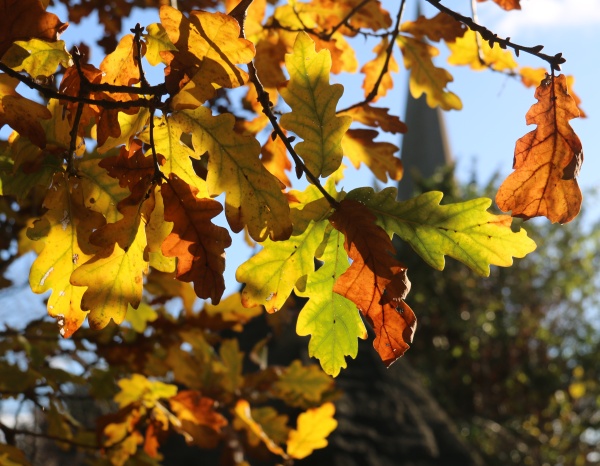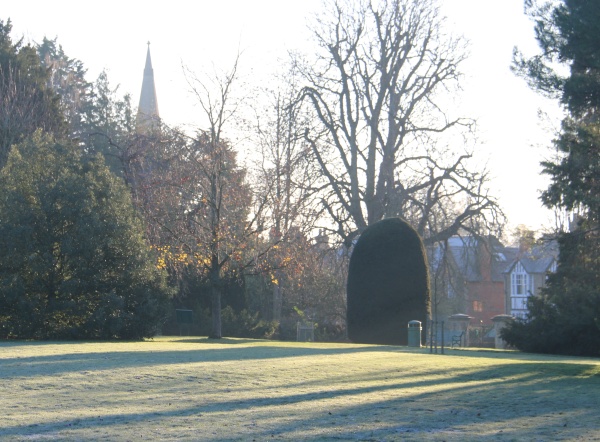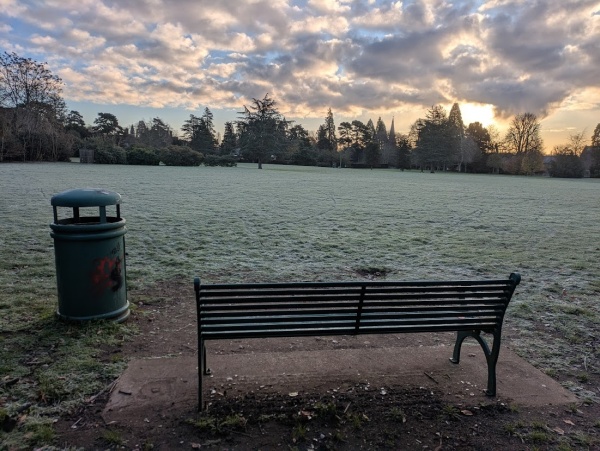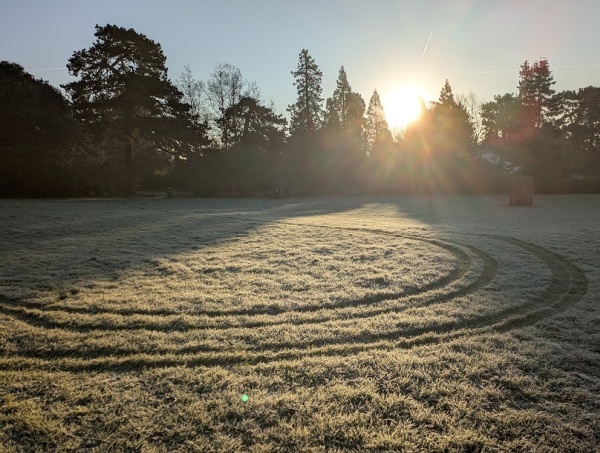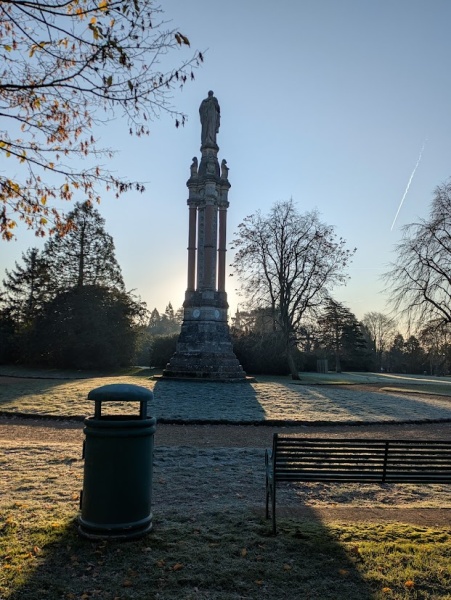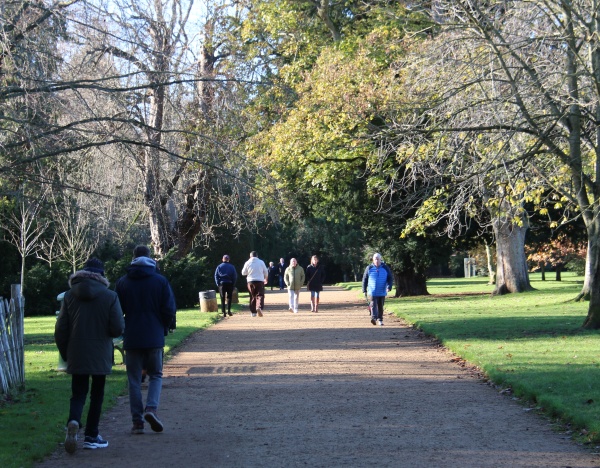
Frosty start to the last day of 2025 in Albert Park, Abingdon. One of the smaller oak trees is still clinging to its leaves, while the larger oaks have let theirs fall.

The giant redwoods (Wellingtonias) cast long shadows, keeping the frost protected from the sun after it has melted elsewhere.

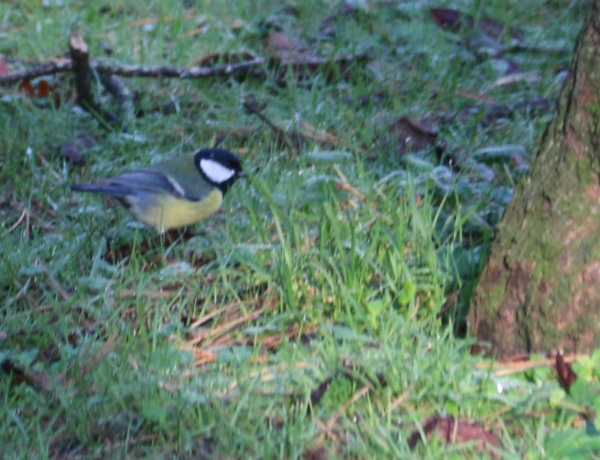
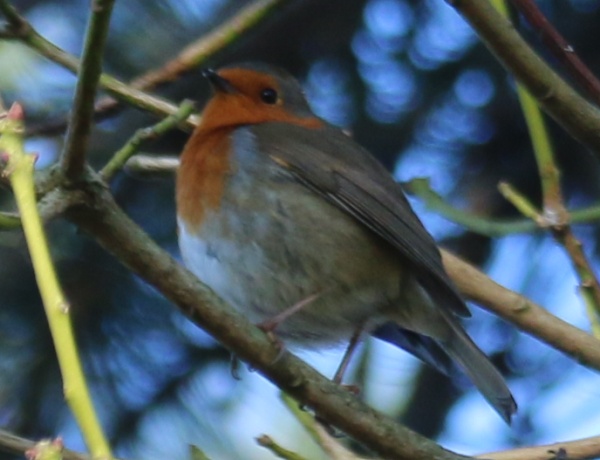
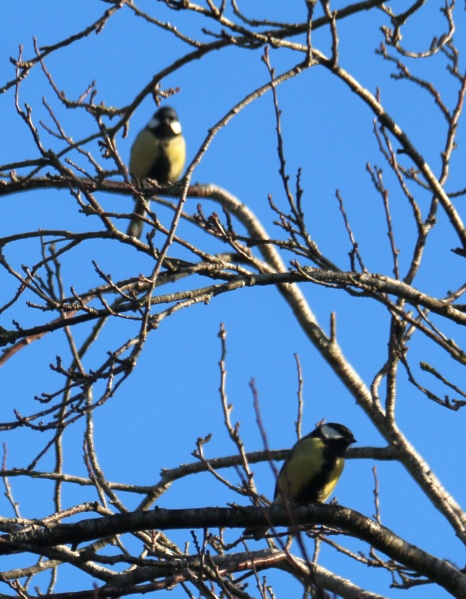
There seem to be a lot of birds about, mostly high up in the trees, but some coming down to the ground.

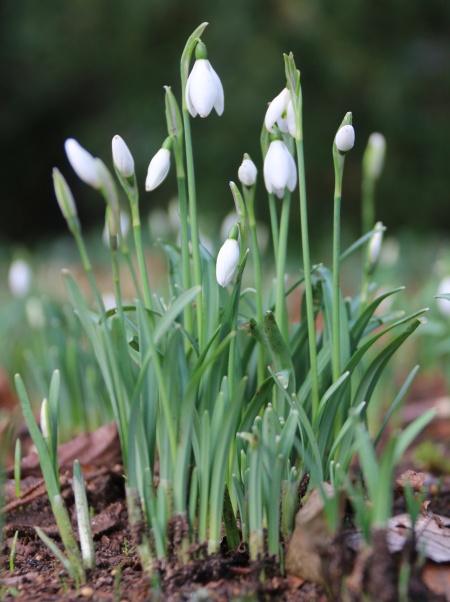
Not just birds: there are signs of early growth too, with snowdrops pushing through.

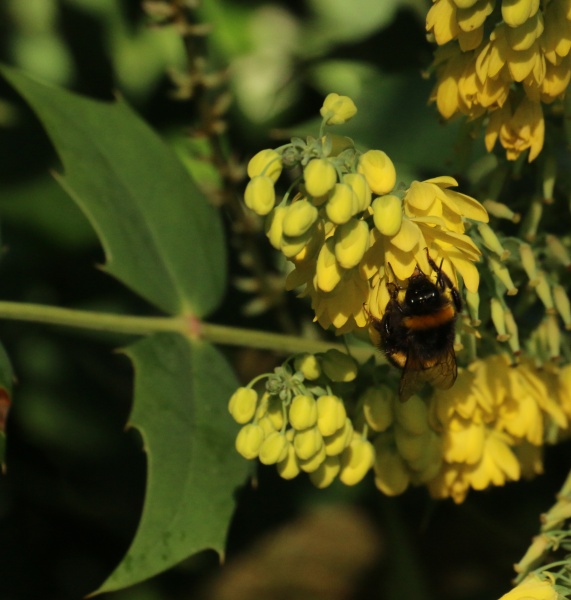
A couple of trees are even in blossom, and despite the earlier cold, bumblebees are visiting their flowers. The mahonia is also popular.

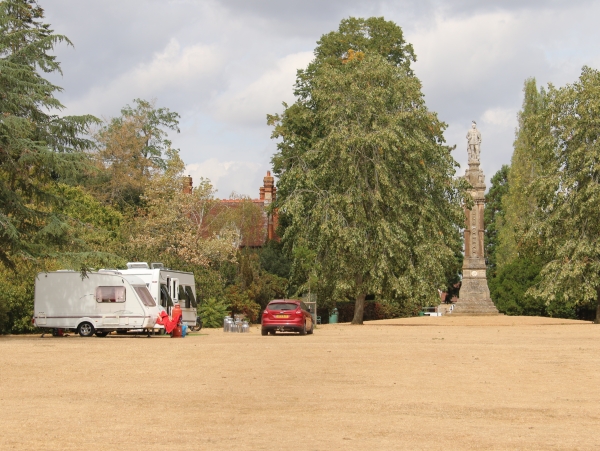
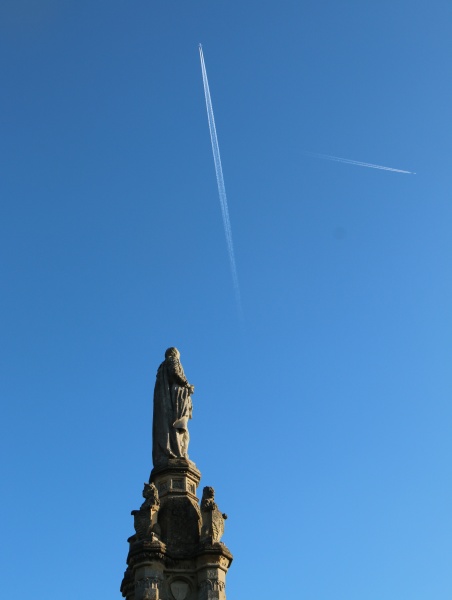
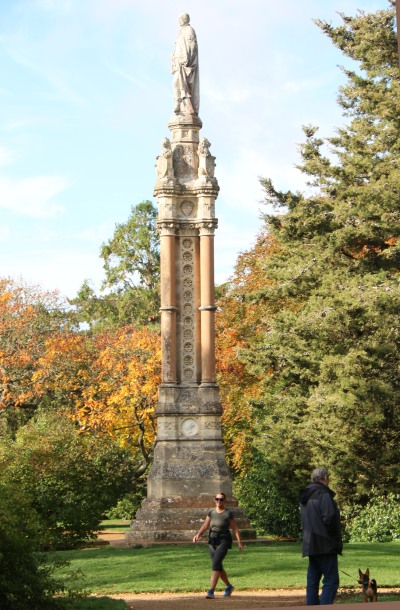
Albert has seen many changes since being erected in 1865. There were no big trees then. No jet trails. Another year is over, and Albert at 160 years is a fixture in a park that changes around him.

2026. Happy New Year. Year 161 for Albert.
Category Archives: albert park
Albert Park Through the Year: November 2025

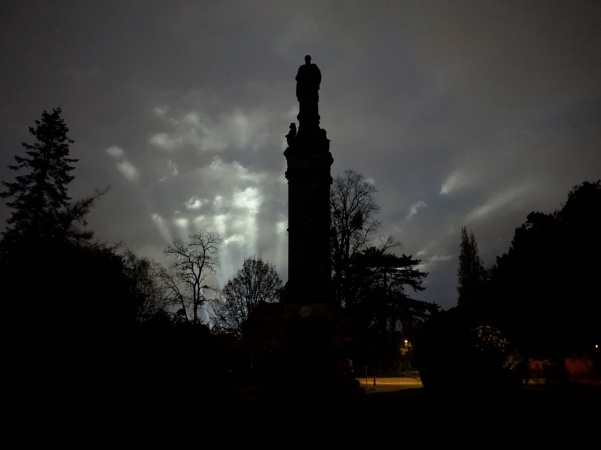
One of the stranger sights was the glow of lights behind the Albert Monument, like a scene from a science-fiction film. These were laser tests ahead of the firework display at Dalton Barracks.

November began mild, but by the end of the first week most deciduous trees had already lost their leaves, helped along by shorter days, wind and rain. Some trees were bare, others had a few leaves left.

The noble oaks however still held their leaves right up to the end of November, after several frosts.

There were several frosty mornings after the middle of the month.

The sun rise on a frosty day is beautiful whether or not anybody is there to enjoy it.

A mini-tractor makes its early-morning rounds, emptying bins, leaving tracks.

The low winter sun casts long shadows from the Albert Monument and from the bare trees.

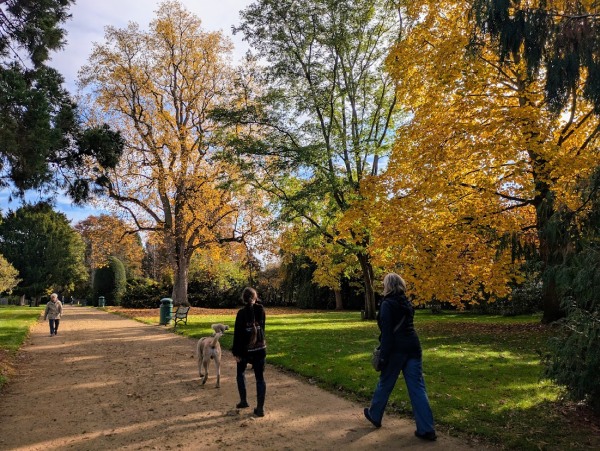
After a frosty night, there is often a sunny day. Albert Park is a popular walk all year round. The November sun attracts not just the dog walkers and joggers, but walkers without dogs making the most of the semicircle of paths.

With the branches bare, birds are easier to spot as they sing or flit from tree to tree.
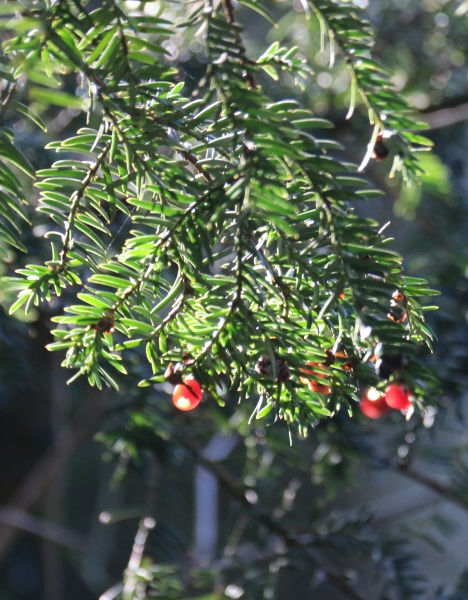
Holly berries and the yew cups stand out after other colours fade.
Albert Park Through the Year: October 2025

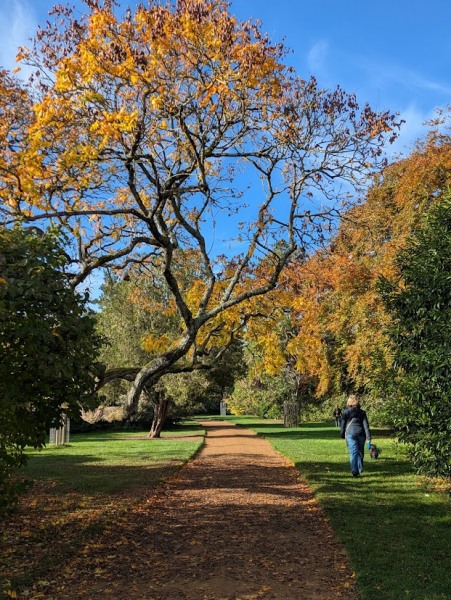
Throughout October, Albert Park has been bright with autumn colour, to the delight of walkers, dog owners, and photographers.

The Albert Monument stands amid the seasonal transformation, framed by trees turning yellow and gold.

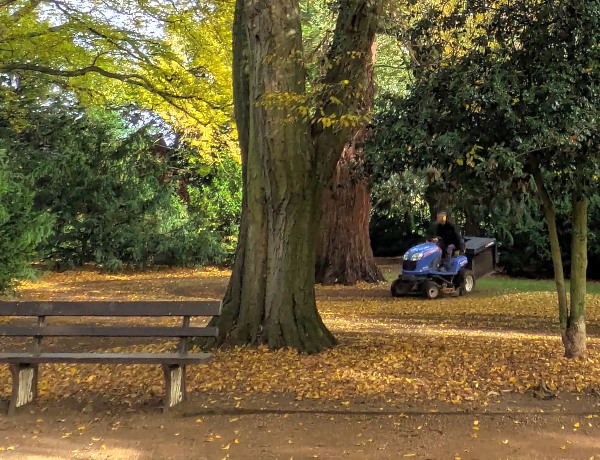
A motorised leaf collector has been busy keeping the ground clear of leaves. The leaves are taken back to the compound and composted.

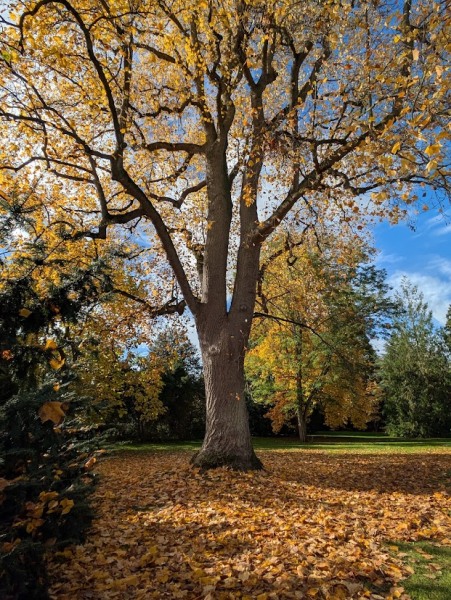
Many trees reached their most vivid colours in mid-October. The tulip tree (above) and the pocket handkerchief tree were among the first to turn and shed their leaves,

followed closely by the golden rain tree.
By the end of the month, the limes were yellow, and the beeches were turning gold and bronze.
The video above shows the steady fall of leaves from the large fenced-in beech tree.

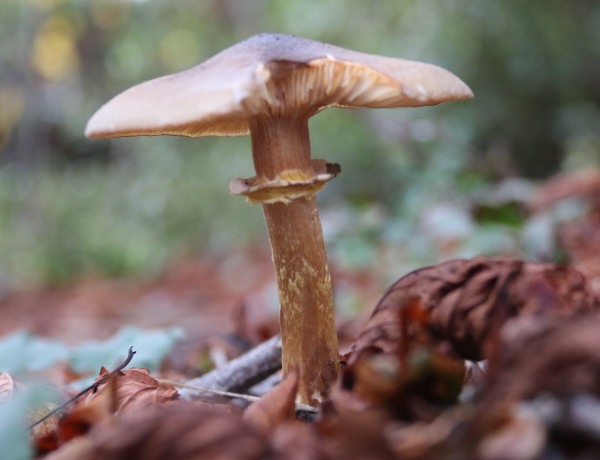
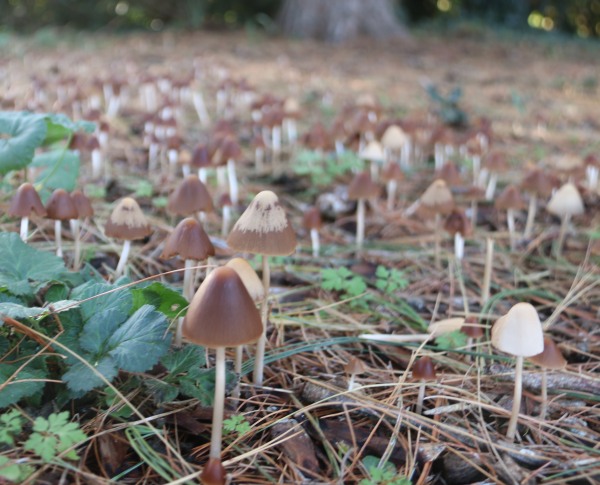
Mushrooms and toadstools have been springing up across the park — some fairly solitary,

others gathered in wide spreads or tight clusters.

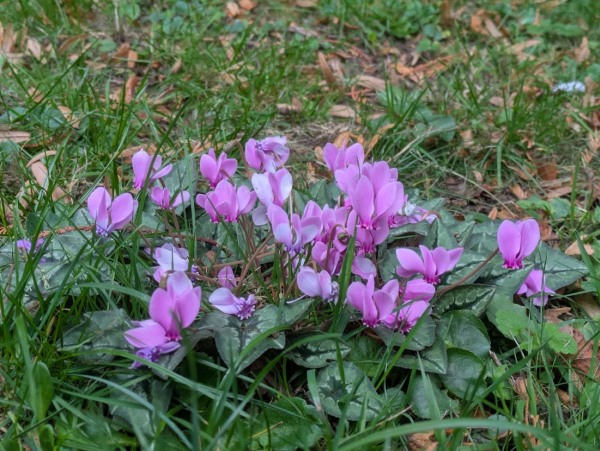
Late blooms still hold on: cyclamen in one place, a second flowering on some Mexican orange blossoms, and daisies at various edges.

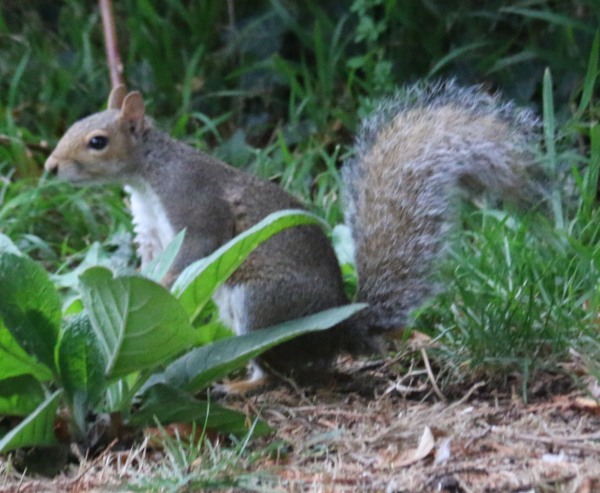
I didn’t get many animal pictures this month, apart from squirrels.
Albert Park Through the Year: September 2025

Well into September and there was still a buzzing of bees – not round colourful blooms, but round the aromatic yellow-green flowers of ivy. These turn into black berries.

Looking up into one tree I saw dark eyes and a hooked beak. When I raised the camera I caught only the blur of a bird – a buzzard, which is sometimes seen perched on Trinity Church too.

Virginia creeper leaves have turned deep red, clambering over the walls and hedges near the main entrance. St Michael’s Church can be seen behind.

During the summer I hardly saw a squirrel, but now autumn is here they are back in numbers, often carrying nuts in their mouths.

Most of the conkers fell earlier in the month, but here are a couple of ripening shells with the nut emerging and ready to drop.

There are usually several dogs walking in the park. This one had found an abandoned ball and was coaxing its owner to kick it so he could chase.

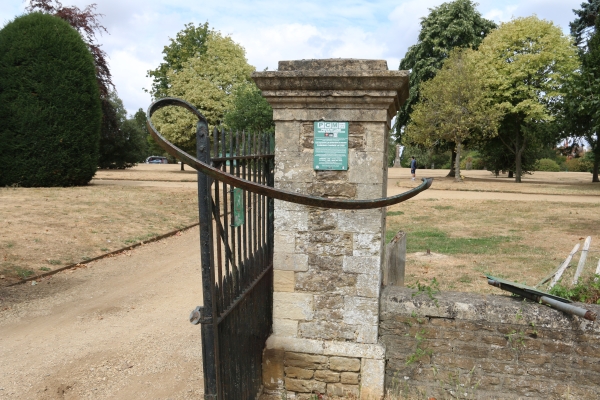
The gate at the top end of the park has curling ironwork. ‘C’ on an ‘H’ – standing for Christ’s Hospital, the charity that runs the park.

The Ginkgo tree, which had been slowly yellowing through the summer, now glows golden – ahead of most of the other trees. I expect to see more Autumn colours in October.