Monthly Archives: March 2013

Thanksgiving for the life of Michael Hambleton

Thanksgiving
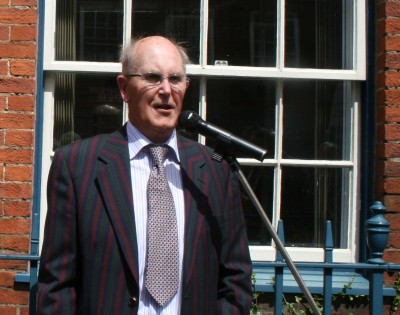
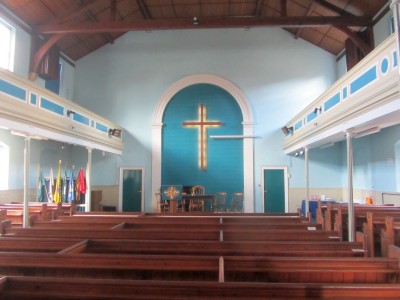
On Friday there was a Service of Thanksgiving for the life of Michael Hambleton, minister of Abingdon Baptist Church from 1991 to 2000.
Thanksgiving
He enjoyed local history and wrote the story of Abingdon Baptist Church from 1649-2011 – a book called ‘A Sweet and Hopeful People’.
Thanksgiving
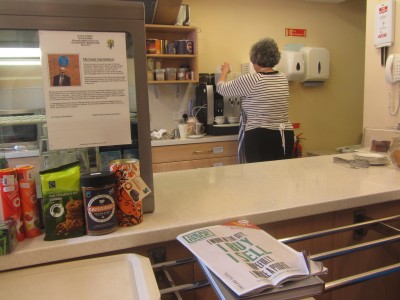
During his time as Minister, the 35 Ock Street project transformed the old manse, which had been in a sorry state, into the Church in Abingdon open house. It is now manned by teams from the different churches and open Mon-Fri 10.30 – 2.00 pm, and Saturday 10.30 – 12.30 pm.

Michael said in his book, “This was not so much the minister’s vision as the church’s vision”

But I dare say it took his prayers, leadership, and encouragement to see the project through.
Fire at Timpson’s shoe repairs


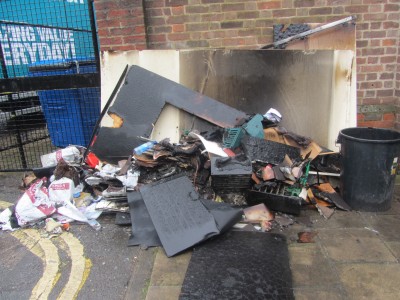
The Abingdon Fire Fighters attended a fire at the Timpson’s shoe repair kiosk in the Abbey Shopping Centre on Thursday morning.

The shop is now closed until further notice. If you want keys cut in town then Knights, on Ock Street, have an excellent service. For shoe repairs then there is the new Timpson’s kiosk at Tesco, Abingdon.

Would more trees reduce the risk of floods in Abingdon?

Hydraulic Roughness
SAFAG (The South Abingdon Flood Action Group) were founded in or around 2000 to campaign to stop development on the flood plain near Tesco. Since then SAFAG produced a plan to protect the Ock Valley from future development by turning it into a nature reserve, and just this month have produced a new study on flood prevention using tree planting.
Hydraulic Roughness
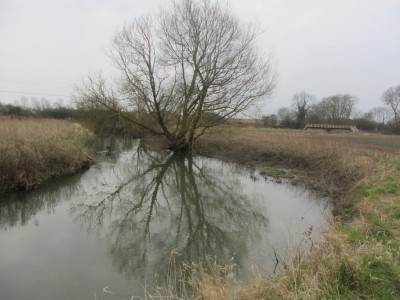
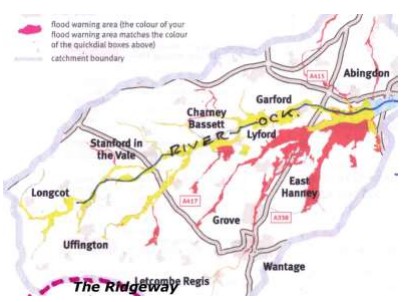
The Vale of White Horse is the catchment area of the River Ock, and after a deluge all the water can arrive at Abingdon in a torrent. The SAFAG study suggests that land management can help to reduce the peak flow of the river during extreme storms by delaying the arrival of storm water at Abingdon. Measures to achieve this can include strategic tree planting and woodland management along the river corridor. The full study can be a read here or by visiting the SAFAG Website.