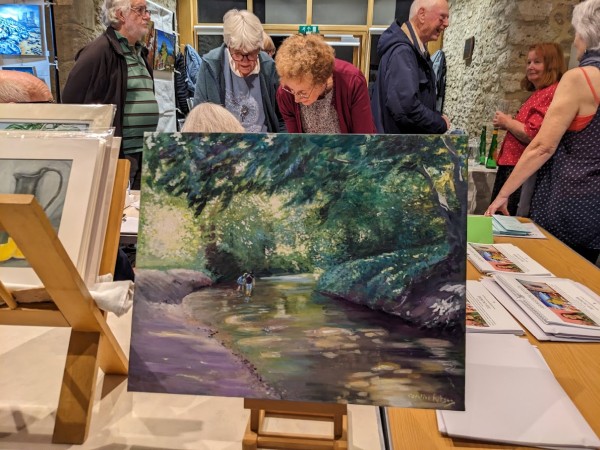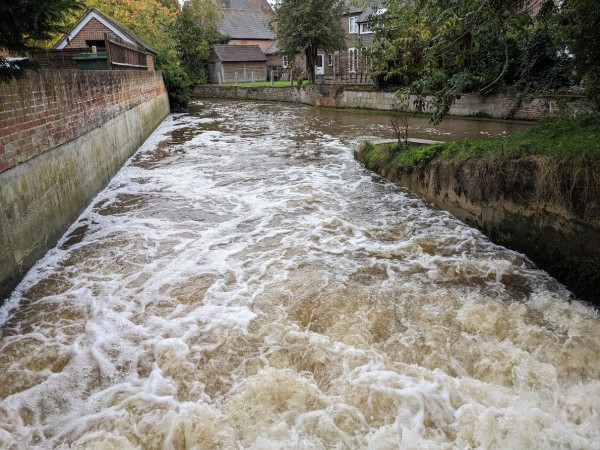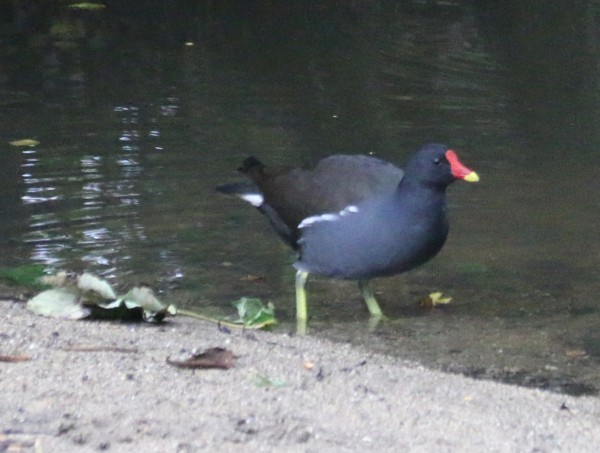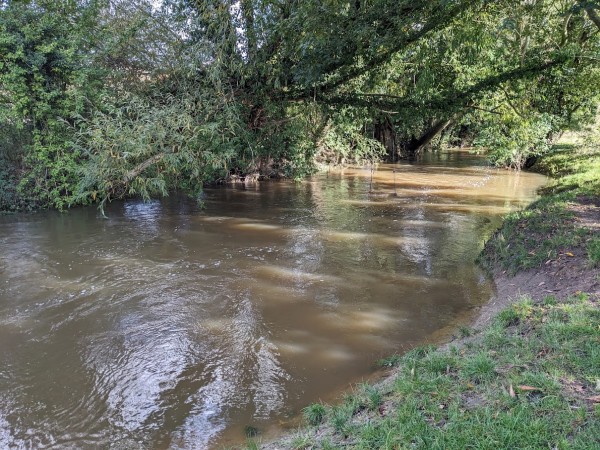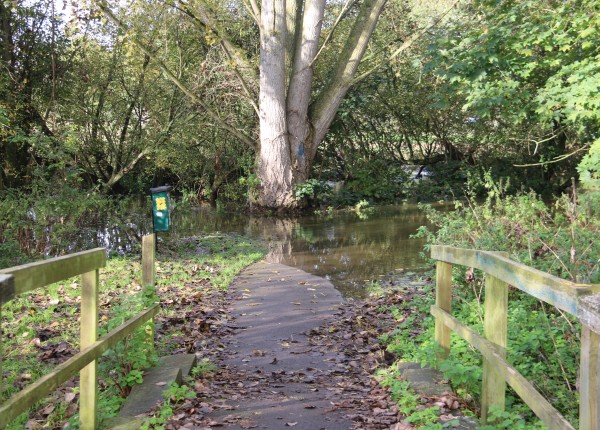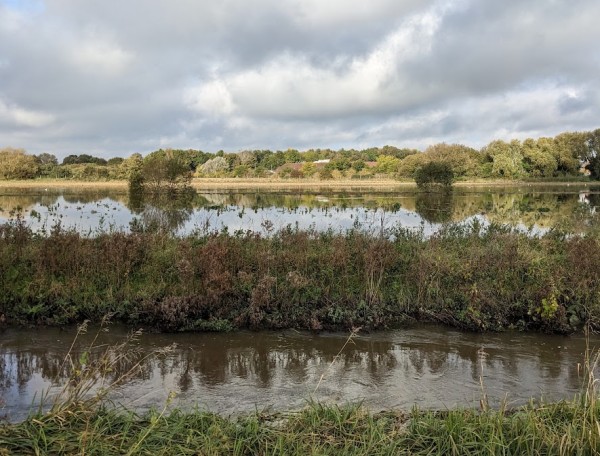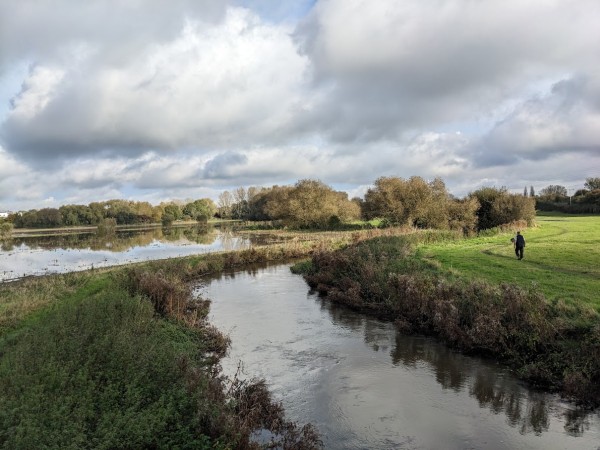
A notice had been placed near the River Ock to say that The Carbon Cutters had permission to plant ten Alder trees alongside the River. They were put there as part of church twinning.

Seven of the ten trees were thriving in May (when the picture above was taken) and a few days ago when I last walked that way. A lot of the field had been cut for hay, but a wide border had been left near the River.

Returning that way this morning, I saw that the field had been cut much closer to the bank, an area used by wildlife, and all the alders had been cut down.

These trees were planted to help the environment and provide a habitat for wildlife. But instead, they have been cut along with a strip of wildlife habitat.

The landowner is the Vale of White Horse District Council. They need to make sure that whoever leases their fields protect wildlife.
Author Archives: Backstreeter
Motorbikes for Mikayla: Charity Event Raises Money for Children Fighting Cancer

Team Mikayla is a charity founded by Mikayla Beames, a teenager who has been fighting brain cancer since she was 4. The charity’s mission is to grant wishes to children fighting cancer.

Today, they organised a Motorbikes for Mikayla event at Abingdon Rugby Club. There was a great turnout of motorbikes and classic cars. There were also stalls selling food, drinks, merchandise, and a tombola. The event was free, and there were buckets for donations.

The Oxfordshire Fire and Rescue were on hand to give advice on what to do in case of a biker accident. They run a FREE Biker Down workshop. See 365alive.co.uk/bikerdown.

After a day of rain yesterday and some showers today the ground remained firm.

There were lots of bright spells and the event raised a lot of money for the charity. The band Hazy Soul played rocking soul and helped make it a fun day.
A Summer of Reading, and Swimming

Schools broke up for the summer holidays yesterday, and the Summer Reading Challenge is underway at Abingdon Library. This year’s challenge is called “Ready, Set, Read!” and celebrates sport, games, and play.

Yesterday, I noticed the latest summer holiday-themed postbox topper crochet in Abingdon. It was a colourful creation featuring a row of ice creams on one side. I thought I would have plenty of time to look closer, but when I returned today, it was gone.

The Abbey Meadows Outdoor Pool in Abingdon opened for the 2023 season today. Despite the rain, that started mid-morning, people were swimming.
Swan Upping: A Royal Ceremony for the Conservation of Swans

Two swans and four cygnets enjoyed a lazy afternoon on the slipway at St Helen’s Wharf in Abingdon. Someone had done some crochet swans on the railings nearby. The swans seemed to enjoy preening themselves.

At about 4:30pm, two small boats met the swans who had gone for a paddle. The swans were enticed with treats to Abingdon Sailing Club, where they were given more treats.

At about 4:45pm, the swan uppers arrived. They circled the swans and once surrounded, moved in so that the swans had nowhere to go.

The swans and cygnets were then lifted out of the water. The cygnets were ringed to say who they belonged to: King Charles, the Vintners, or the Dyers. After a health check, the swans were released.

The swan uppers rowed through Abingdon to Abingdon Bridge, where a crowd gathered.

They brought all of the rowing boats together and passed around the rum.

The swan uppers then raised their glasses to toast King Charles.

The ceremony of Swan Upping takes place during the third week of July every year. It began on Monday July 17 from Sunbury Lock in Middlesex, and finished today, Friday July 21, at Abingdon Bridge in Oxfordshire. This is the first time that the Swan Uupping has been carried out on behalf of King Charles. As you can see, the oars have the King’s CR cypher.

The Royal Swan Marker, David Barber, also has the CR cypher on his jacket. He is responsible for overseeing the Swan Upping ceremony and ensuring that the swans are healthy and well-cared for.
Swan Upping has been taking place for centuries. It is a chance to study swans up close, and help their conservation by detecting the impact of factors such as avian flu.