Thank you to Catherine for this piece. Catherine is part of Abingdon Swifts Group
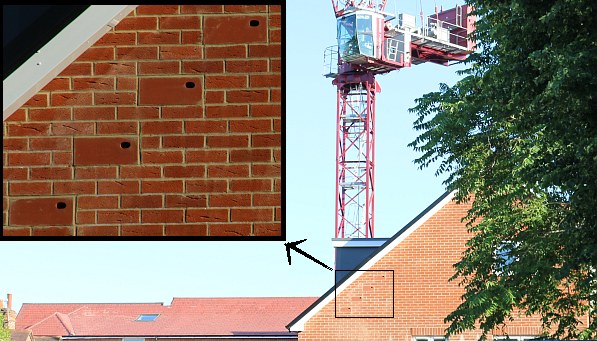
You may have seen (and heard) the joyful antics of these birds over the past couple of weeks as they return from their long migration from Africa. A good map of their migration path is available here (https://www.hampshireswifts.co.uk/). Happily there are 4 extra nesting sites for them to inhabit this year, thanks to Churchill Retirement Homes. It is so good to be able to say ‘thank you’ to a developer that has made an effort to make a new building more beneficial to local wildlife.
If you are out on walks over the next few weeks, do look up to try to spot Abingdon’s swift population – they like to catch flying insects, with Abingdon’s tree-lined rivers and in its leafy parks being particularly good places to spot them. With a recognisable call, it may be that you hear many more than you see. The swifts will disappear to warmer climes at the end of July; they really are a sign of summer.
Swifts are like homing pigeons with their ability to find their way back. Each year they return to the same nest site, meeting their partner (they mate for life) ready to set up house. They are also long-lived, with luck, living to around 20 years. Only landing to breed, these birds clock up an extraordinary 14,000 miles (or so) in the air each year.
Traditionally, their nests have been in draughty gaps in the walls, and roof-tiles of our homes and out-buildings. As we become more energy conscious and insulate or re-roof our buildings with increasing effectiveness, the swifts can return to find that their ancestral nest is no longer available. This has contributed to swift numbers in the UK declining by 50% over the past 23 years. Increasingly, builders and developers are aware of this problem and are working, often with some ingenuity, to make buildings fit for habitation for both humans and swifts.
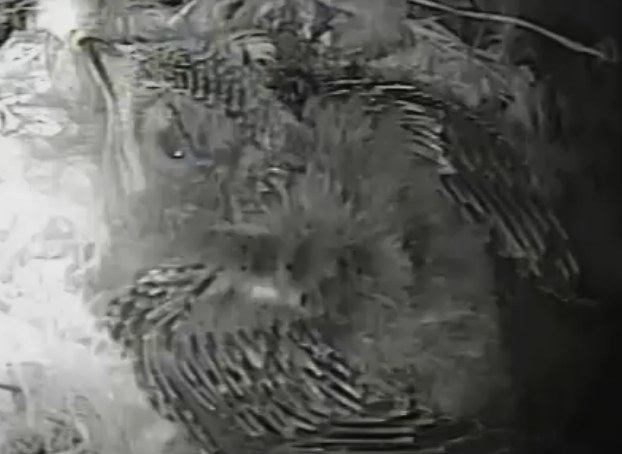
The Museum of Natural History in Oxford is closed, but their webcams are showing pictures of young swifts. (https://www.oumnh.ox.ac.uk/swifts-in-the-tower-0). (Pictures from webcam on 22nd June at 20:20)
The Abingdon Swifts Group are also always happy to advise regarding the installation of swift nesting boxes.
Swift Awareness Week (27th June-5th July) would usually be celebrated with talks and meetings. Watch this (https://swift-conservation.org/) space for details about virtual seminars and meetings to find out more about these fascinating birds.
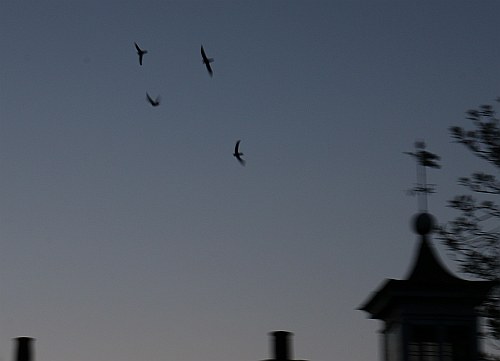
P.S If anybody gets a good swift picture during Swift Awareness Week then please sent it to backstreet60@gmail.com and I will replace this final picture. St Helen’s Churchyard is a good place to watch swifts but they are very difficult to photograph.