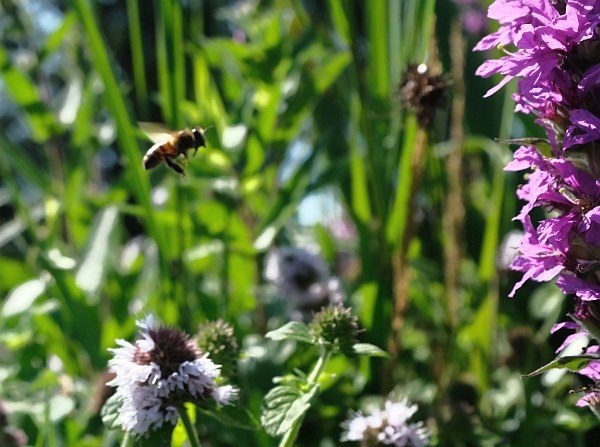
Category Archives: wildlife

Barton Fields in June

Barton Fields in June
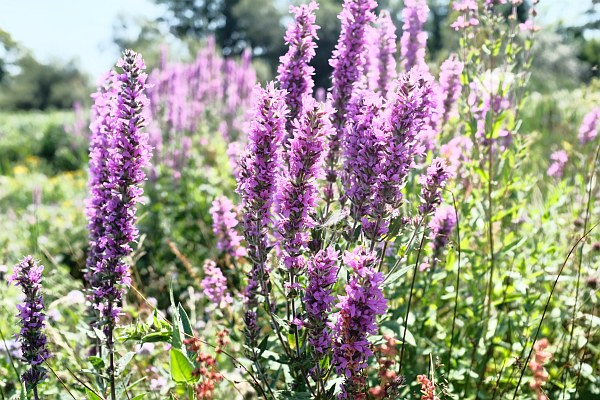
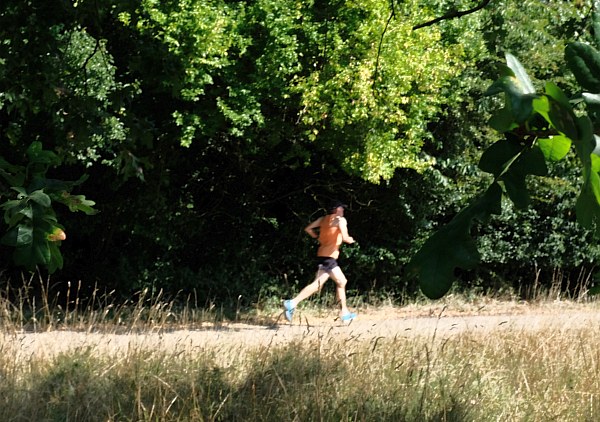
Barton Fields, cared for by the Abingdon Naturalists, has lots of flowers during June – particularly on the side near the cycle path.

There was a light rain today as we walked round, and meandered a little. The weather has cooled since the blue skies of April and May.
Barton Fields in June
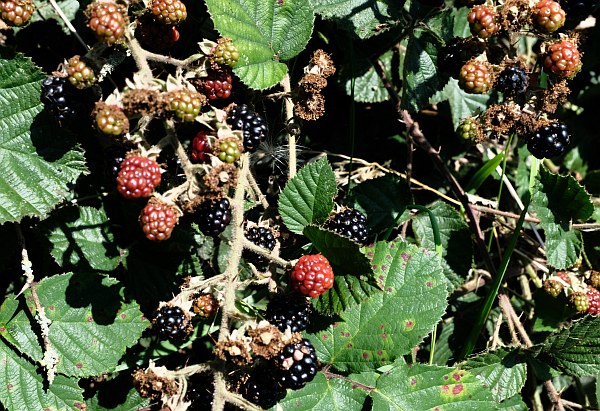
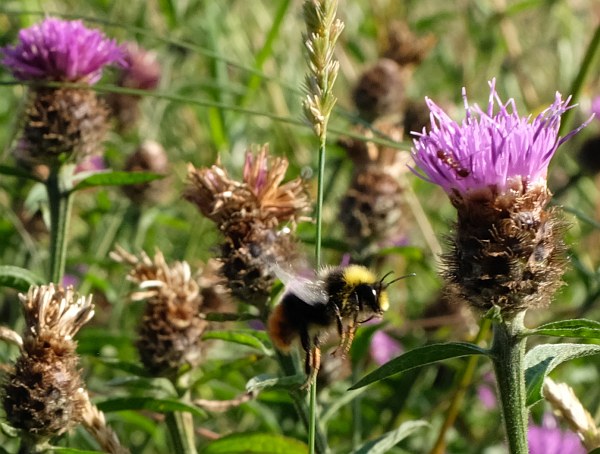
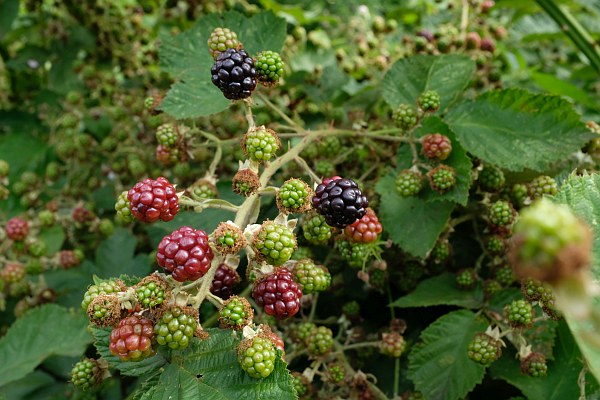
Bramble flowers are a good food source for honey bees and bumble bees.
Barton Fields in June
There is one area in particular where the soil has been prepared for wild flowers and where the colours are vibrant.
Barton Fields in June
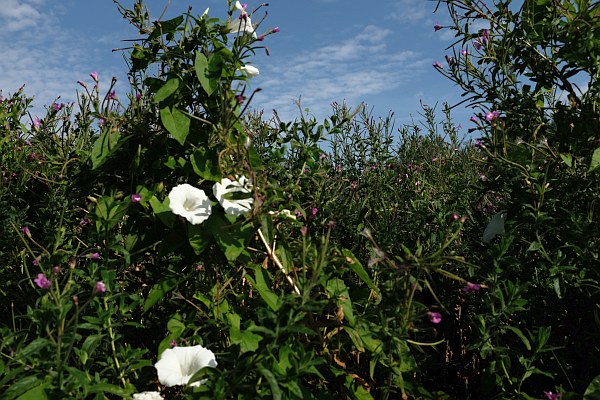
Elsewhere wild flowers grow in the grass.
Barton Fields in June
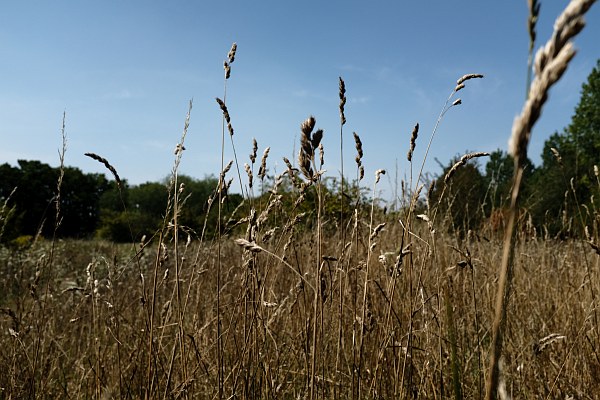
There are so many different sorts of grasses and other plants.
Barton Fields in June
In among the ground cover and hidden by the bushes are butterflies and birds. Some birds can be heard but not seen. Then occasionally you are rewarded with a clear view of a bird – in this case a pheasant.

Why no Ducklings?

Why no Ducklings
One thing has been puzzling us on our lockdown walks. Why have we not seen any ducklings on the River Ock and the millstream

Somebody tonight told us that in the last two years mink have become so rife that they are eating the ducklings, and the young of other native species.

Birds and Bees

Birds and Bees
Flying must be easy when you are a bird. You just open your wings
Birds and Bees
and glide.
Birds and Bees
Bees need to buzz a lot more.
Birds and Bees
They also need frequent nectar stops.
Birds and Bees
The birds were seen by the Millstream in Abingdon.
Birds and Bees
The bees were in Old Abbey House gardens this evening. This was part of a walk after work.

Riding back from work at about 3:30pm I saw a long queue at the Drayton Recycling Centre. They are using the golf area next door to queue cars rather than the main road. The process is slower as only half the bays are in use for social distancing reasons. There is also a big demand for the dump after the shutdown for a couple of months.

Barton Fields in May

Barton Fields in May
I am visiting Barton Fields for a picture report every month this year.

The blue sky shows some vapour trails – more than previous weeks. There was also a lot of white cottony stuff blowing around in the air – tree seeds.
Barton Fields in May
May has been mostly sunny and today was ‘the hottest day of the year so far‘ – according to Radio 4. The pools and marshy areas in Barton Fields are drying out.
Barton Fields in May
There were lots of Common blue damselflies flitting about around the meadow.
Barton Fields in May
The 20th May has been declared as World Bee Day and this acrobatic bee can be seen sucking the nectar from a Comfrey flower.
Barton Fields in May
The Woody nightshade (or Bittersweet nightshade) is easy to identify. The purple and yellow flowers turn to poisonous red berries. They are fairly common but they look dangerous and are apparently very bitter, and so poison very few people.
Barton Fields in May
There are areas covered with nettles, and on this particular nettle is an iridescent damselfly.
Barton Fields in May
Wild flowers are appearing in masses in some places, such as Oxeye daisies,
Barton Fields in May
Ragged robin and Buttercups.
Barton Fields in May
Other flowers are more solitary such as this orchid.

There have been more people out walking and exploring nature, during the lockdown, and the pathways across the meadows have probably become more marked than they would be in an average year. We did cause a Pheasant to fly out in alarm.

I saw another photographer waiting patiently for damselflies and dragonflies by one wetland area. I enjoy seeing pictures from Barton Fields and elsewhere on other blogs, twitter feeds, and facebook. How things have moved on since the days we posted a film of 24 or 36 shots to Tru Print or took it in to Jessops to get it processed and printed.