Category Archives: wildlife

Alder Trees Decimated


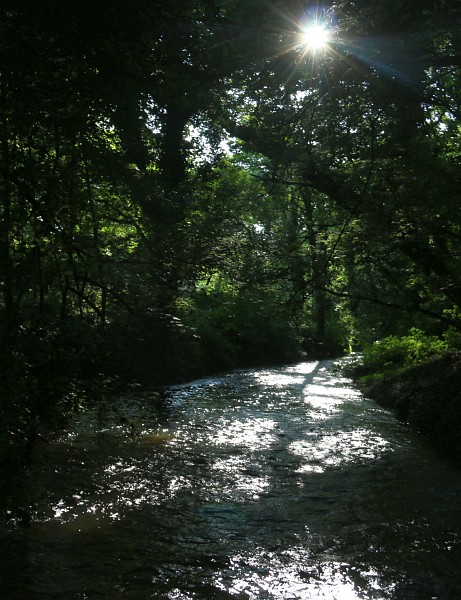
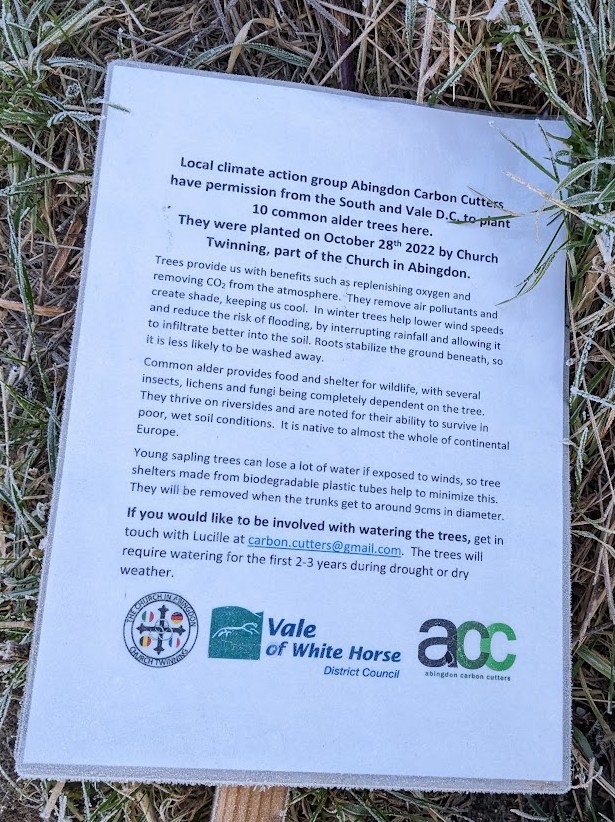
A notice had been placed near the River Ock to say that The Carbon Cutters had permission to plant ten Alder trees alongside the River. They were put there as part of church twinning.
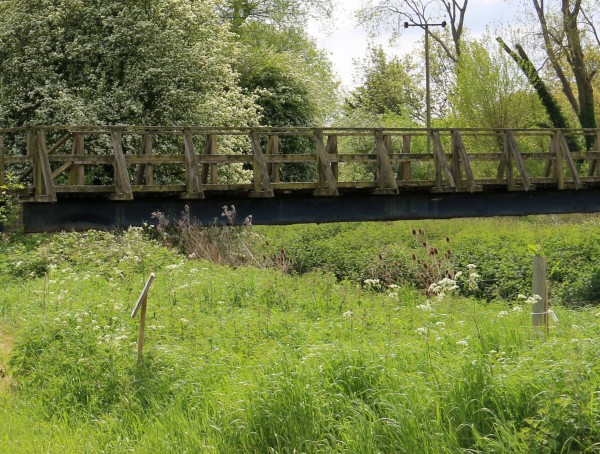
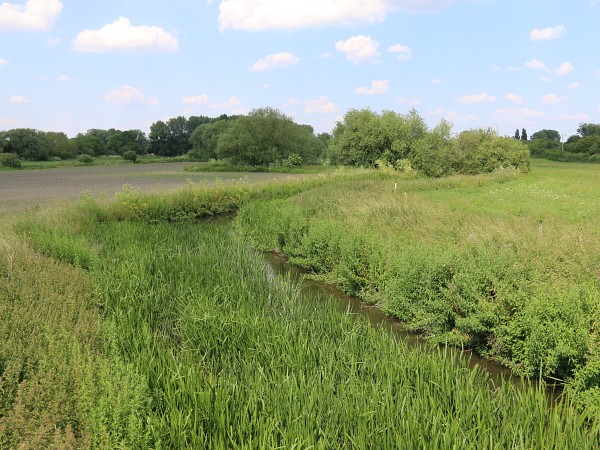
Seven of the ten trees were thriving in May (when the picture above was taken) and a few days ago when I last walked that way. A lot of the field had been cut for hay, but a wide border had been left near the River.
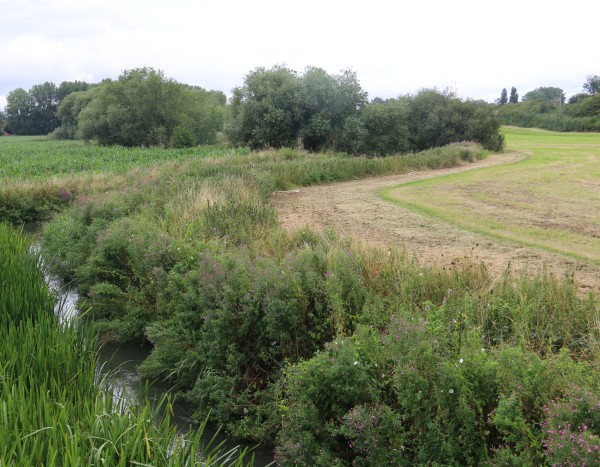
Returning that way this morning, I saw that the field had been cut much closer to the bank, an area used by wildlife, and all the alders had been cut down.
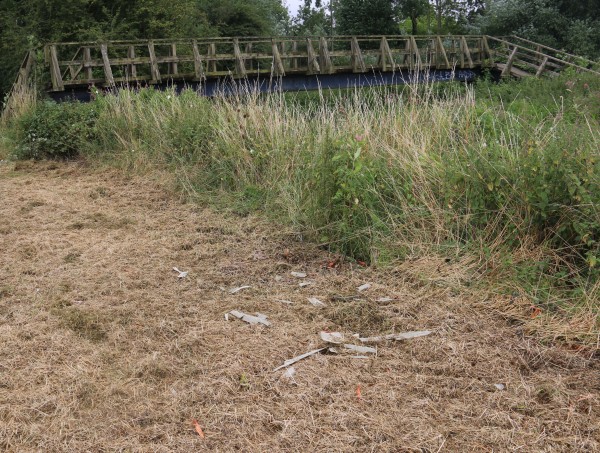
These trees were planted to help the environment and provide a habitat for wildlife. But instead, they have been cut along with a strip of wildlife habitat.
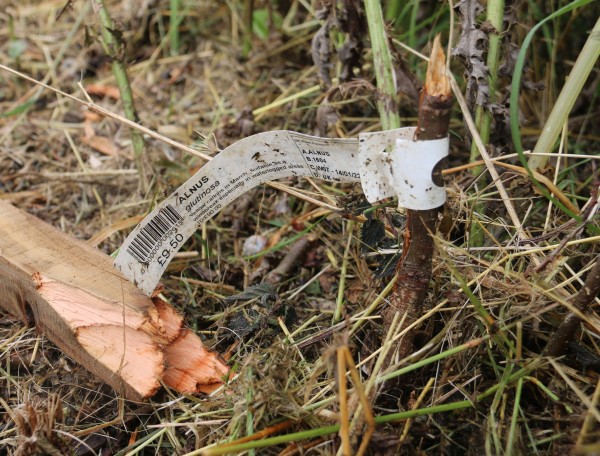
The landowner is the Vale of White Horse District Council. They need to make sure that whoever leases their fields protect wildlife.

Swan Upping: A Royal Ceremony for the Conservation of Swans


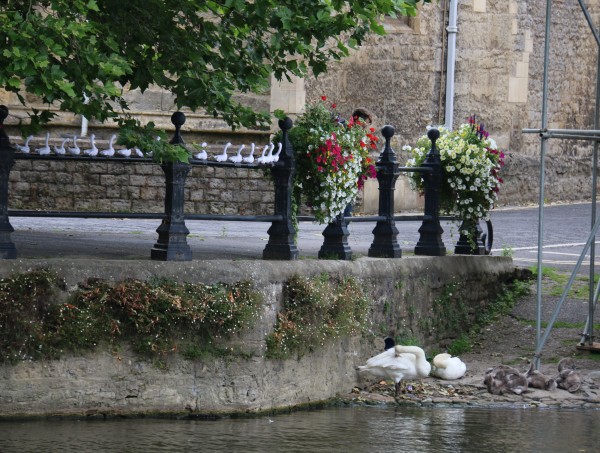
Two swans and four cygnets enjoyed a lazy afternoon on the slipway at St Helen’s Wharf in Abingdon. Someone had done some crochet swans on the railings nearby. The swans seemed to enjoy preening themselves.

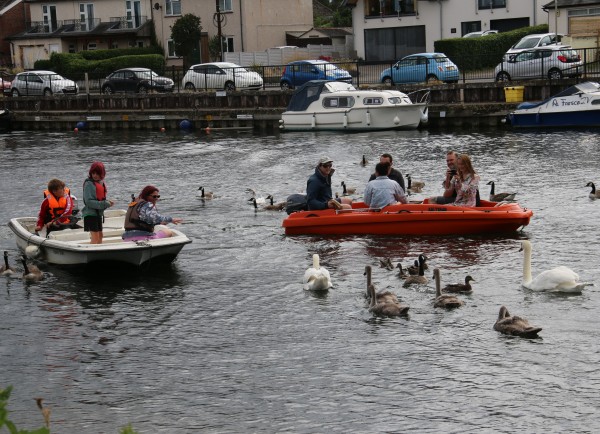
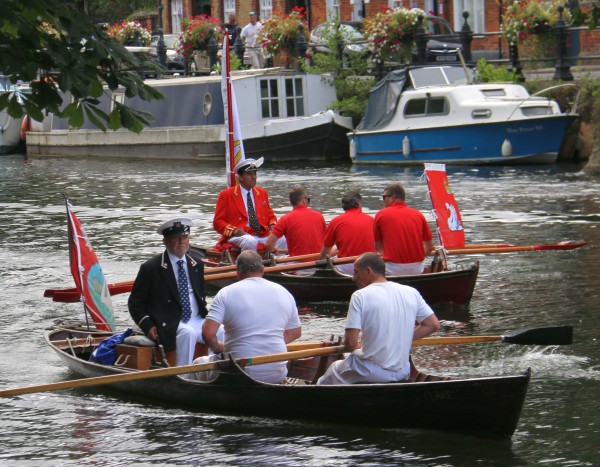
At about 4:30pm, two small boats met the swans who had gone for a paddle. The swans were enticed with treats to Abingdon Sailing Club, where they were given more treats.

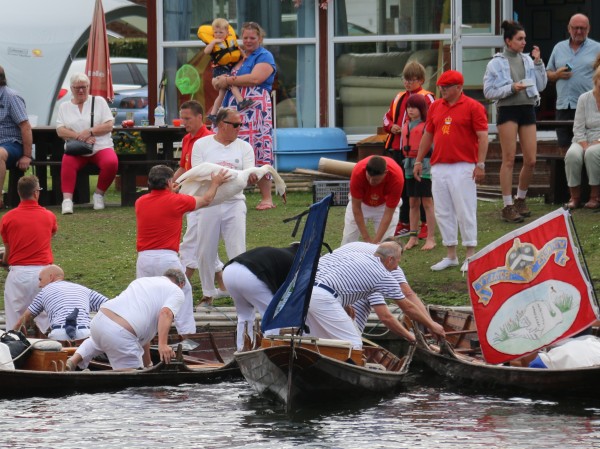
At about 4:45pm, the swan uppers arrived. They circled the swans and once surrounded, moved in so that the swans had nowhere to go.

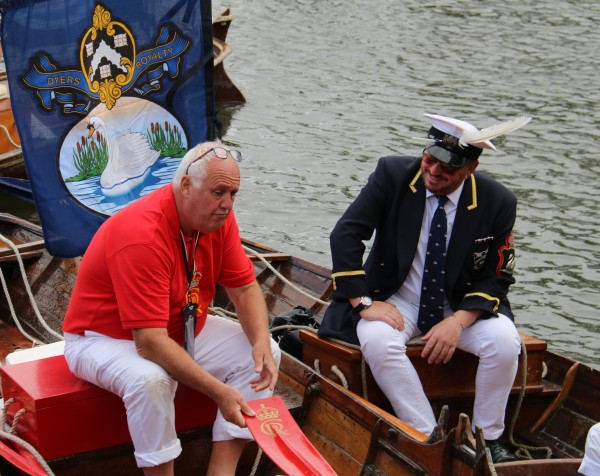
The swans and cygnets were then lifted out of the water. The cygnets were ringed to say who they belonged to: King Charles, the Vintners, or the Dyers. After a health check, the swans were released.

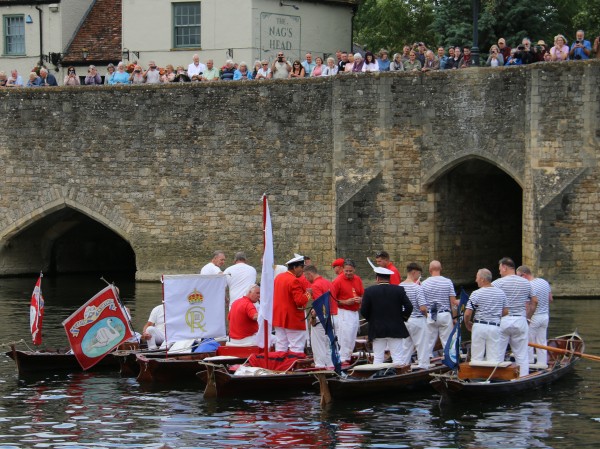
The swan uppers rowed through Abingdon to Abingdon Bridge, where a crowd gathered.

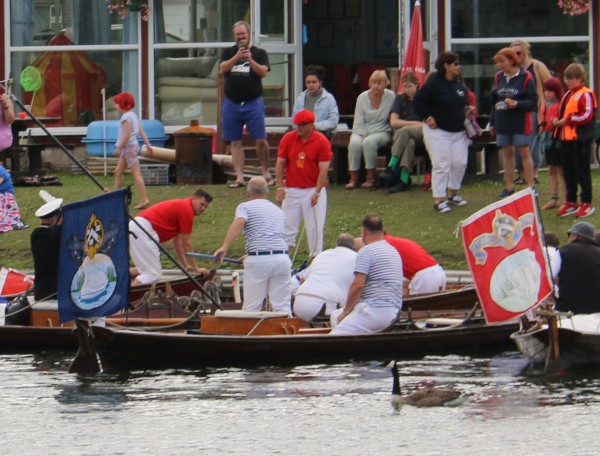
They brought all of the rowing boats together and passed around the rum.

The swan uppers then raised their glasses to toast King Charles.

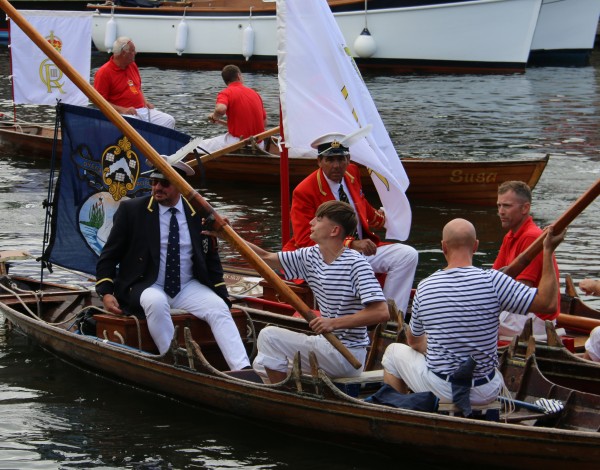
The ceremony of Swan Upping takes place during the third week of July every year. It began on Monday July 17 from Sunbury Lock in Middlesex, and finished today, Friday July 21, at Abingdon Bridge in Oxfordshire. This is the first time that the Swan Uupping has been carried out on behalf of King Charles. As you can see, the oars have the King’s CR cypher.

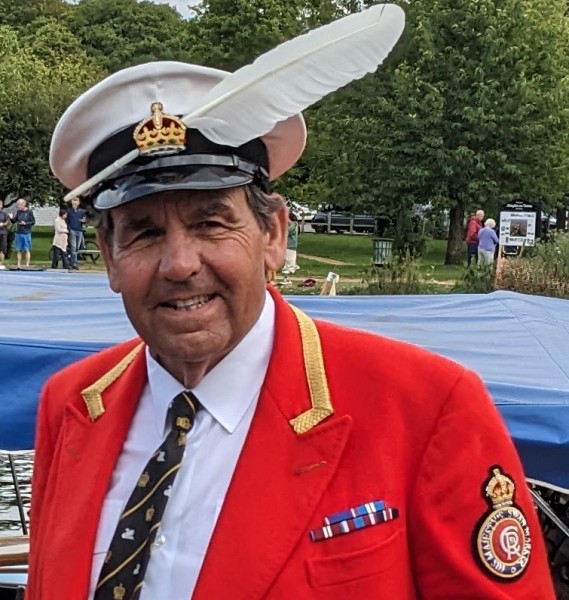
The Royal Swan Marker, David Barber, also has the CR cypher on his jacket. He is responsible for overseeing the Swan Upping ceremony and ensuring that the swans are healthy and well-cared for.

Swan Upping has been taking place for centuries. It is a chance to study swans up close, and help their conservation by detecting the impact of factors such as avian flu.

River Ock in Abingdon – June 2023


The Ock Valley Walk in Abingdon has become more crowded in June. There are more people walking, and the Kingfisher canoe club visited the weir this week. But I have not seen the Kingfisher during June, not even a blue flash.

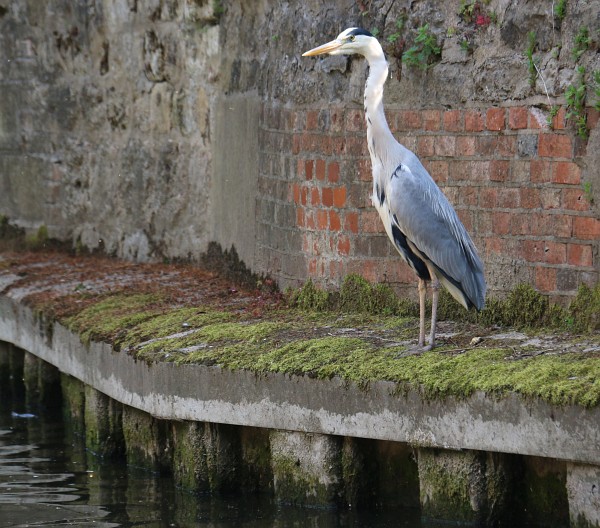
A heron was seen earlier in the month, and people have been sharing pictures of it on social media. It is a good indicator of a healthy ecosystem, as it feeds on fish and other small animals.

Fish were visible earlier in the month, but are harder to see now.

The grey wagtail can also be seen near the water. It is a good swimmer and diver, and it feeds on insects and small fish.

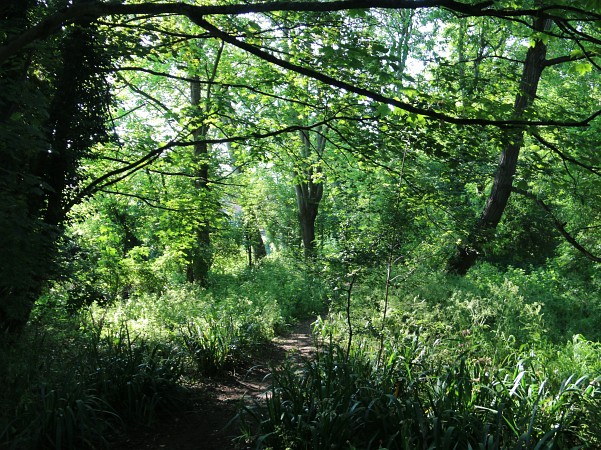
The blossoms and fresh leaves of May have been followed by mature foliage. Horse chestnut leaves have already started showing signs of aging as the Horse chestnut leaf miner, the larvae of a small moth, tunnels through the leaves, turning them brown. Elderflowers were abundant earlier in June and many are starting to develop into berries.

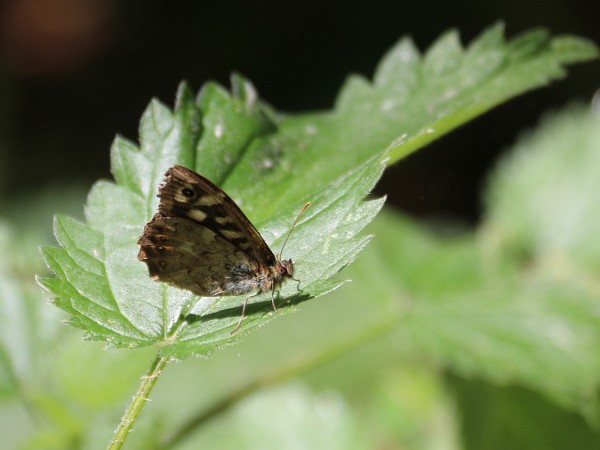
The nettles have grown tall, and some were cut back near the paths. Small brown butterflies flutter about in the vicinity.

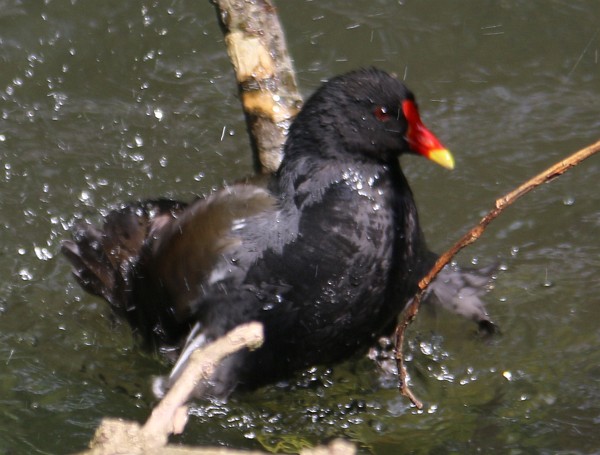
Ducks and moorhens are frequently seen, but I have not seen them with young on the Ock Valley Walk near town.

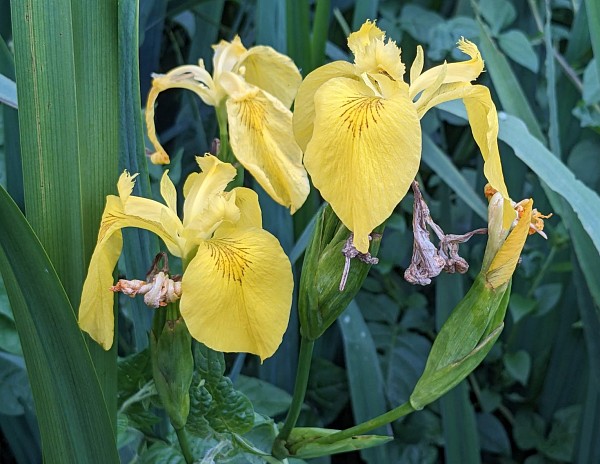
Yellow flags are visible along the walk, but further out from town, beyond the Ock Bridge, they look larger.

Extending from Tesco to Mill Lane, the River Ock is more overgrown and the channel looks reduced. There are probably lots of wildlife and their young hiding among the sedge and reeds, away from the crowds.

Geese and Swans

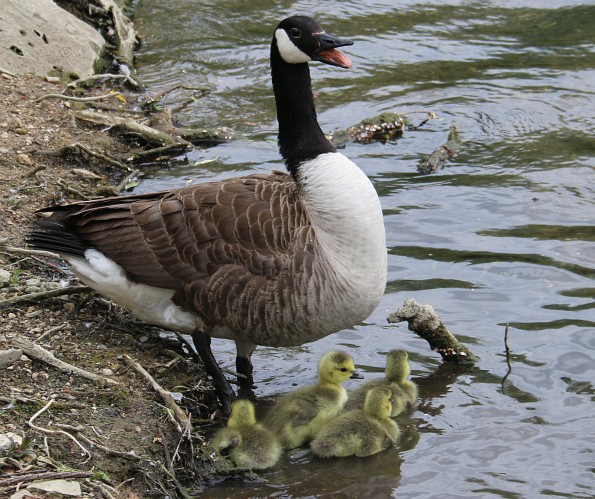
I was watching, from a distance, a pair of Canada Geese with four goslings near a mother swan with five cygnets. They were on the bank while the male swan was on the water some way away.

The geese came closer and closer to the swans and just before reaching the swans, the geese got into the water.

It was at that point that the male swan came towards them looking like a a war galleon from the Spanish Armada, and attacked the first defending adult goose a number of times. The swan did not attack the goslings, and the mother swan did not get involved in the conflict.

The geese and goslings then went back onto land, and after that the male swan ignored them.

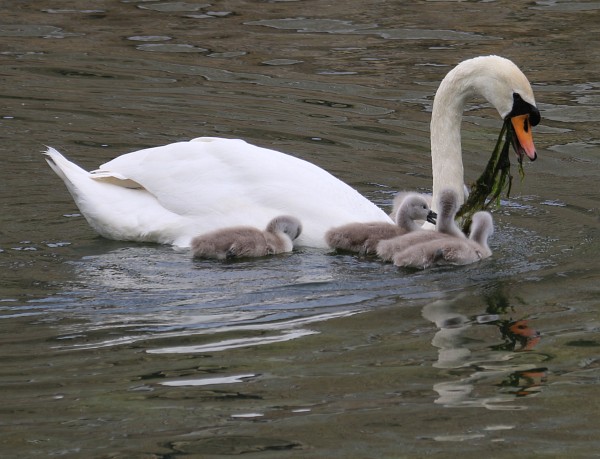
The female swan took the cygnets out on the water and brought up water weed which she strew in the way of the cygnets to feed.

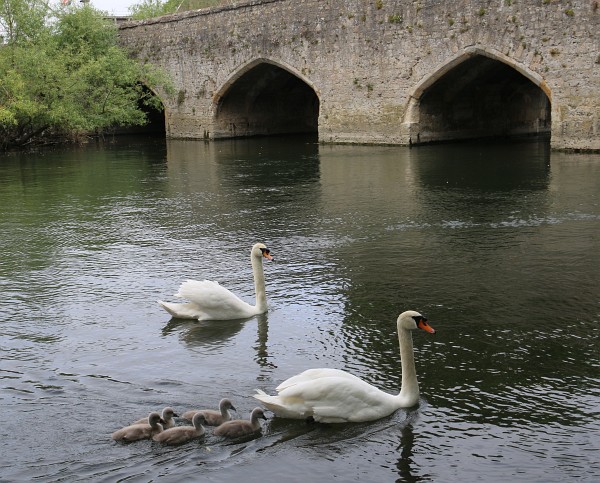
After feeding for a few minutes, the swan family then swam away under Abingdon Bridge.