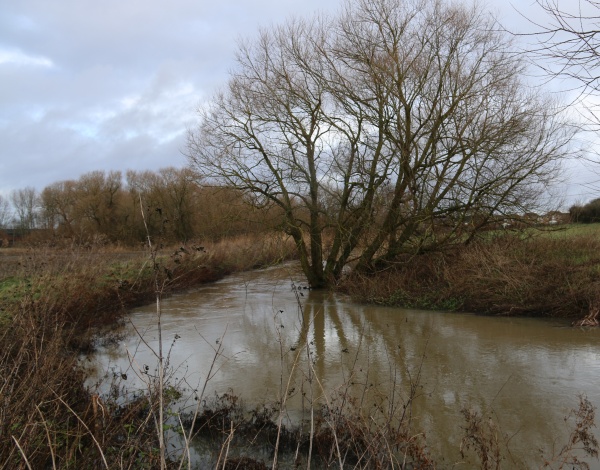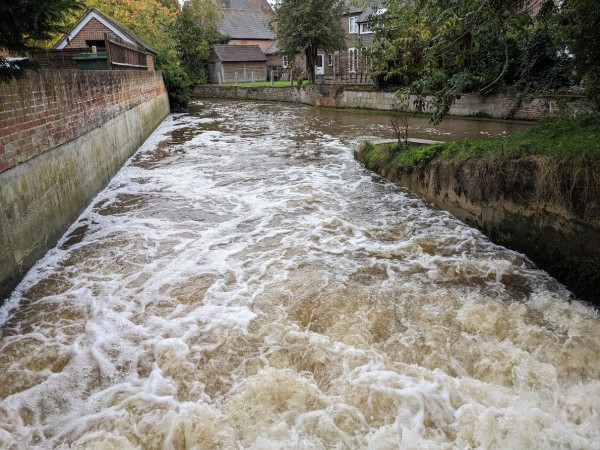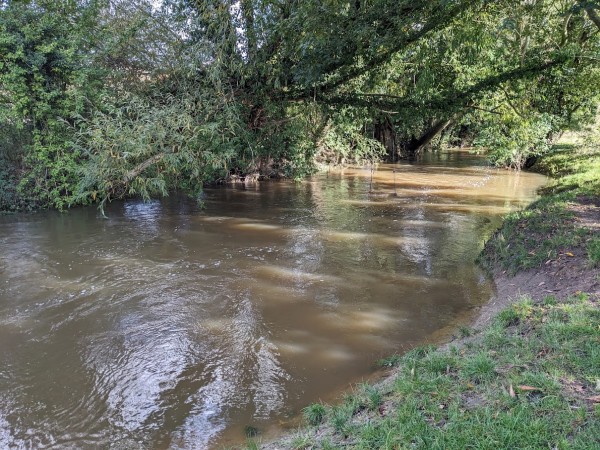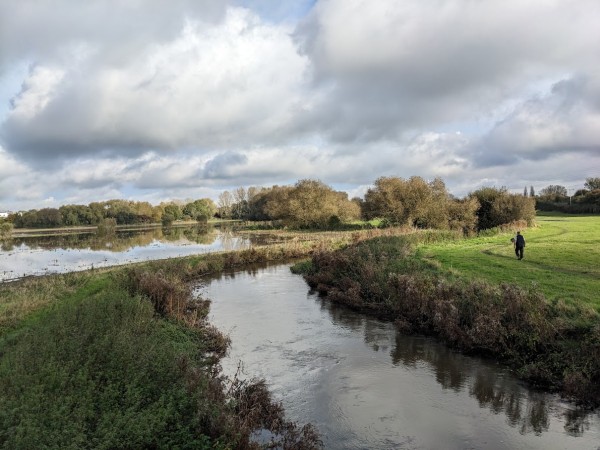
The water churned after it came over the River Ock weir. It was the brown of tea and full of muddy particles. A stream of bubbles flowed down the other stream, caused by the turbulence from the other weir further up.

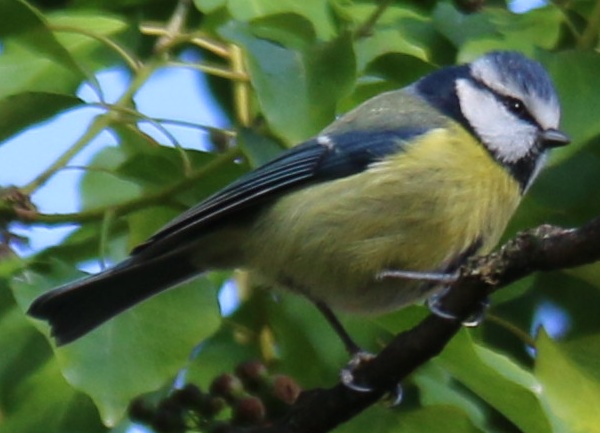
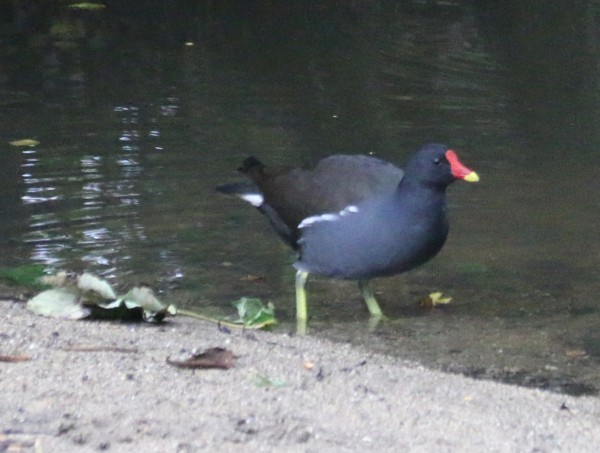
With fewer leaves on the trees, the birds are becoming easier to spot. A kingfisher flew upstream, and a diving bird torpedoed downstream, both moving too quickly for me to get a good look at. But I did manage to see a moorhen.

The paddling area (from yesterday’s raffle painting) is now too deep to paddle, and the rope swing is submerged. The river level was at its highest yesterday, but it’s still high today.

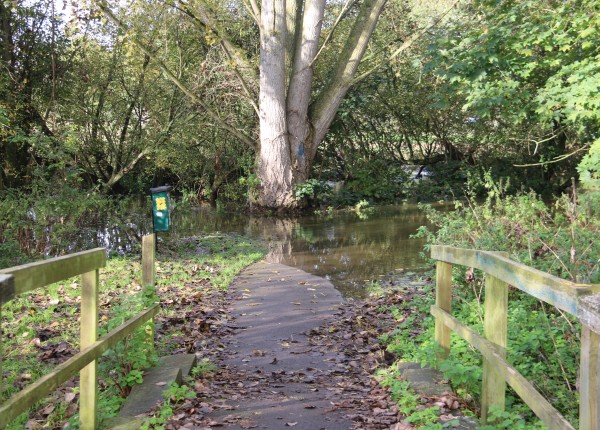
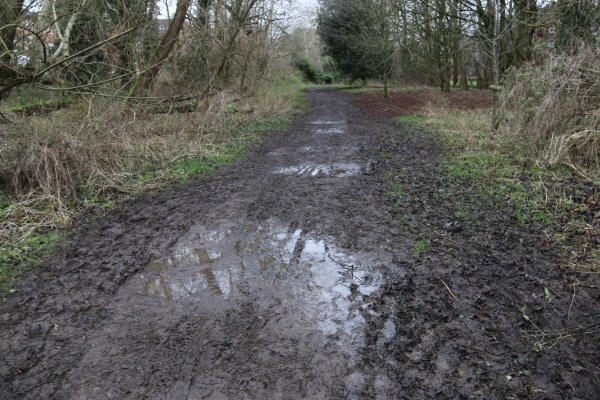
The footpath to Tesco has become a watery cul-de-sac, after the flooding.

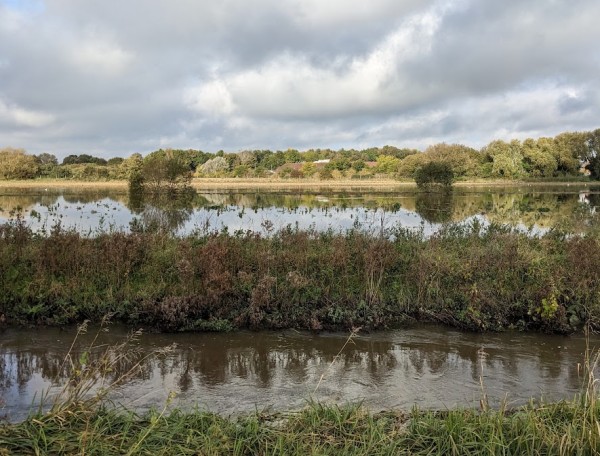
The field between the River Ock and the A34 has been flooded.

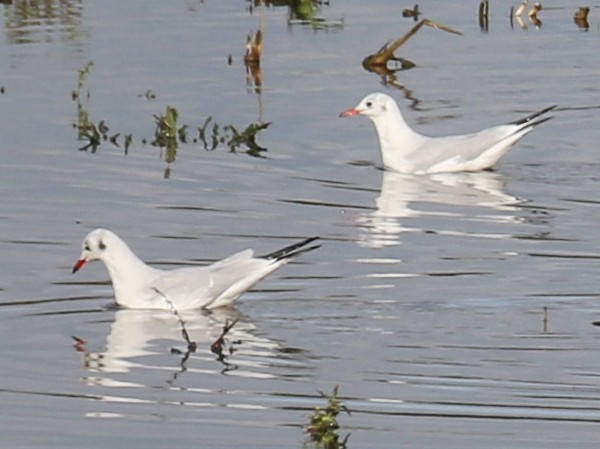
Lots of gulls have come in to enjoy the new temporary flooded field.

The water has washed over many of the reeds, leaving the river looking more like its old self.
Category Archives: wildlife
Abingdon Naturalists AGM
Thank you to Tony for this report.

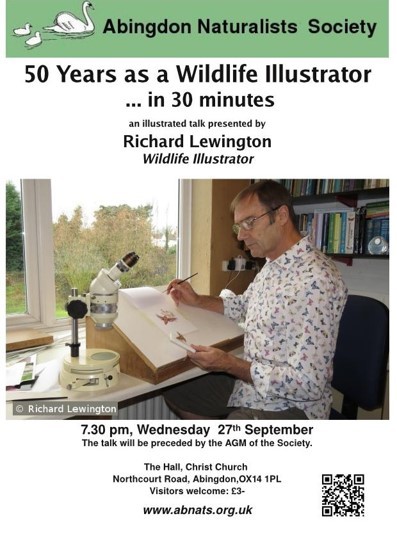
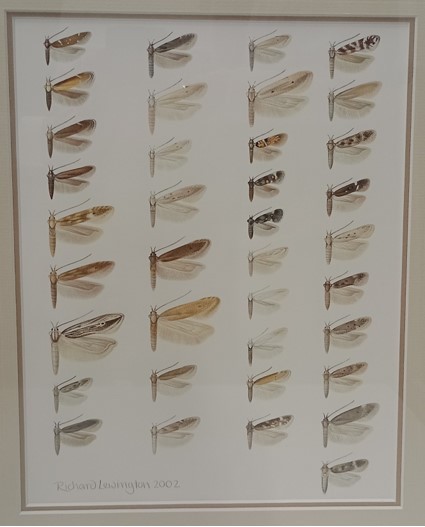
Richard Lewington, world-famous illustrator of butterflies and bugs of all sorts, is also President of the Abingdon Naturalists Society, and he gave a talk on Wednesday titled: “50 years as a Wildlife Illustrator … in 30 minutes”.

He spoke of his early years as a child wandering through the fields of North Abingdon, collecting birds’ eggs (now strictly forbidden) and sketching the insects he found. Later, when he became famous, he illustrated many field guides to butterflies, moths, damselflies and dragonflies, caterpillars, oak trees and other insects. He also designed British Royal mail stamps, and during his work, he met many important people like Sir David Attenborough. He showed a picture of his daughter Alex, next to an oak tree on the village green, planted from an acorn when she was born 33 years ago, and one of his granddaughter Florence, with an oak tree, planted from an acorn from Alex’s tree, when she was born 9 months ago. Abingdon Naturalists are lucky to have such a distinguished president. Steve Stevens was re-elected chairman at the meeting.
More about the Society at https://www.abnats.org.uk
More about Richard at https://www.richardlewington.co.uk/
River Ock – September 2023

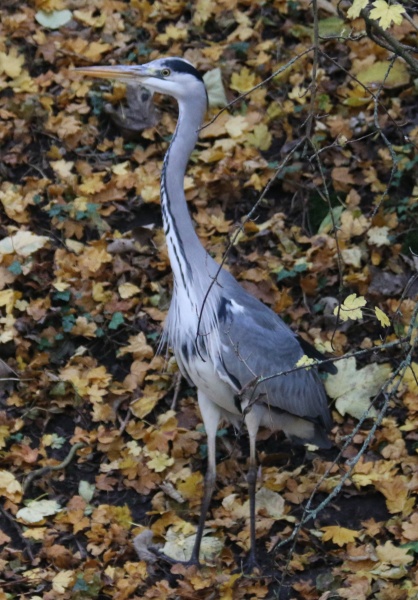
This morning there was a Little Egret in the River Ock by the Brewery development. They are identifiable by their white bodies, black beaks and legs and yellow feet. They are smaller than the Great White Egret, which is almost the size of a heron.

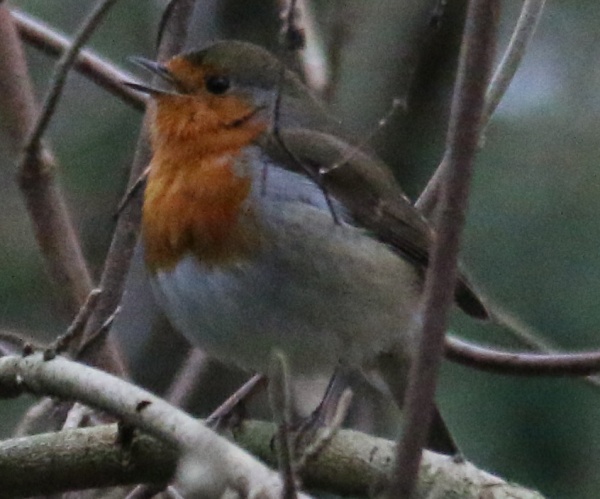
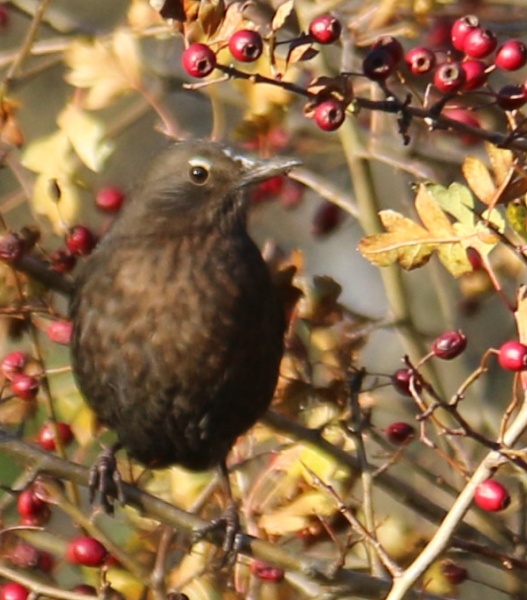
This robin was near Meadowside, where a fallen tree acts as a perch. There are lots of berries at the moment, so the birds are well-fed at this time of year.

This is the point where one path leaves the main path as the main path follows the lower stream, and the secondary path follows the looping upper stream.

This is the halfway point of the Ock Valley Walk, where there is an overflow weir from the upper to the lower stream and where there is a wide pool. A lot of the time during the summer there is no water coming over.

The sun and shade gives a striped and mottle effect here where the path rises to that weir bridge.

Further along, some bracket fungus growing in semi circular shelves from a tree trunk.
Further out of town, this is the view from the bridge by Mill Road looking back over the fields towards the Ladygrove estate.
In remembrance of to Peter Green, who did a lot of work to help make the Ock Valley Walk what it is today.
River Ock in Abingdon – August 2023

One thing that has happened this month on the Ock Valley Walk is that some of the wood chip from some fallen and chopped up trees have been laid on the secondary path.

Other trees seem to be in a fixed half-fallen state.

I have not done as well as the Views of the Ock blog in photographing water voles. So far, I have seen no signs at all. But I did see a young moorhen today.

The parent bird was making sharp tweeting noises to keep track of its young among the reeds. The reeds are much thicker than they were a few years ago.

Where the fields were cut last month, Meadow Cranesbill are back in flower.

The blackberries are past their prime, but there are still plenty of other fruits for wildlife to enjoy. These include haws, elderberries, crab apples, and rosehips.

A discarded brolly in a dog pooh bin is a reminder that humans often try to tidy up after themselves.