Category Archives: wildlife

Barton Fields in October

Barton Fields
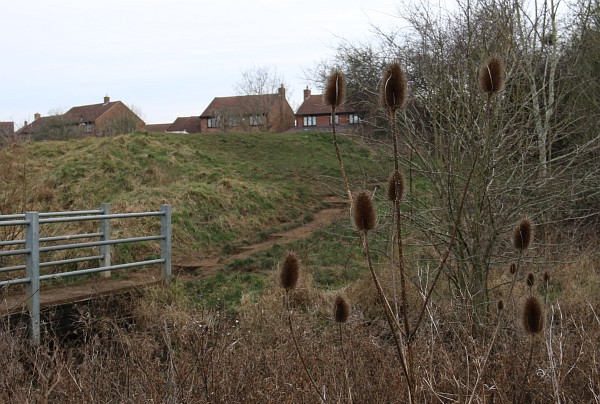
Trees are turning to yellows, orange and reds.Barton FieldsIn There are some October flowers – but not a lot.
Barton Fields
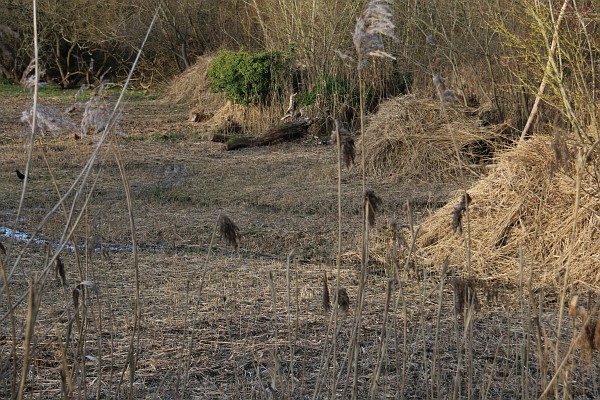
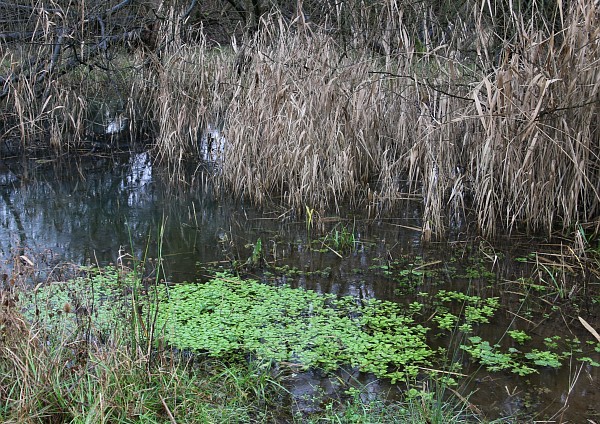
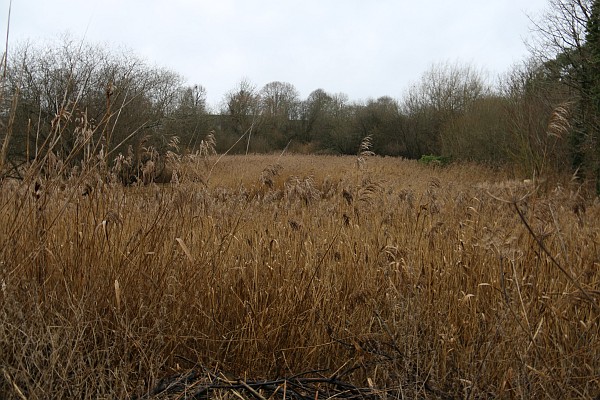
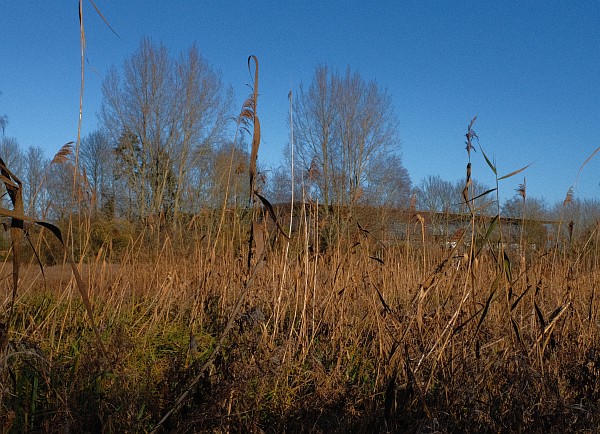
Reeds have been cut back so that the ponds look more open.
Barton Fields
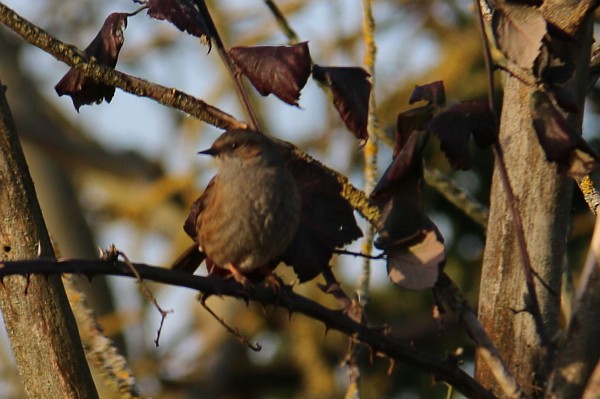
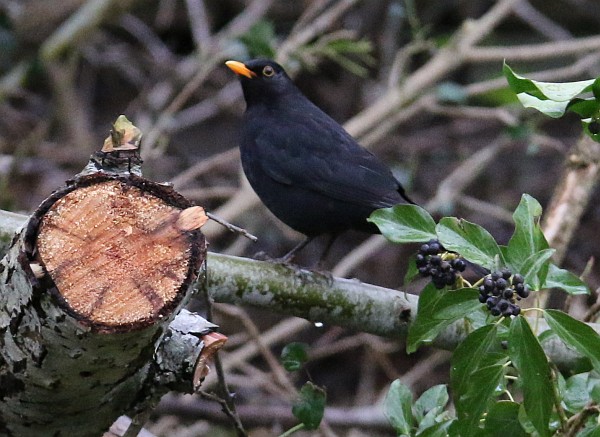
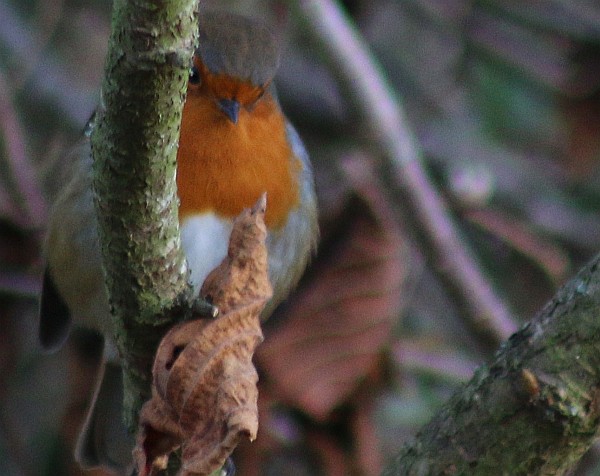
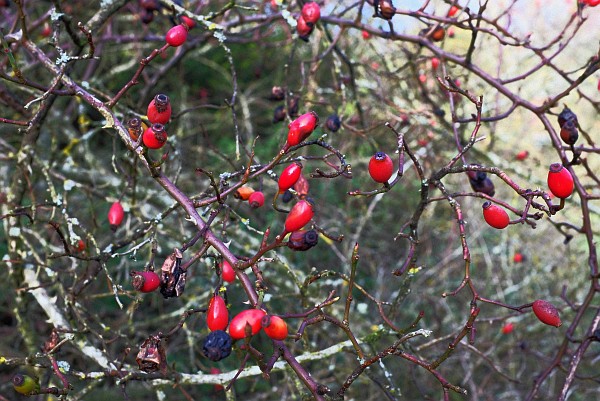
There is a good supply of food for the birds.Barton Fields
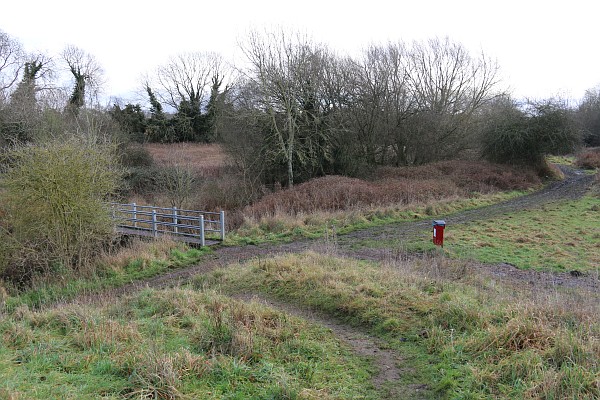
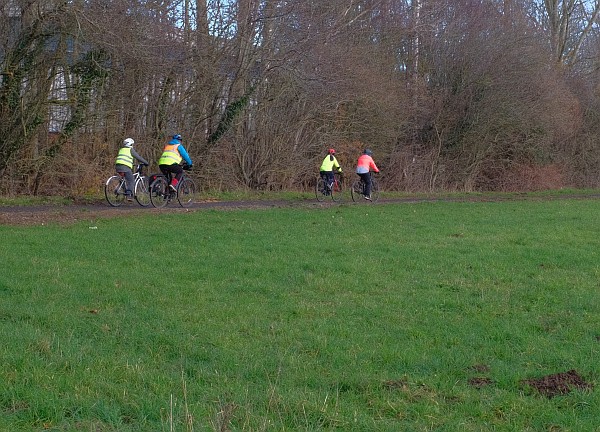
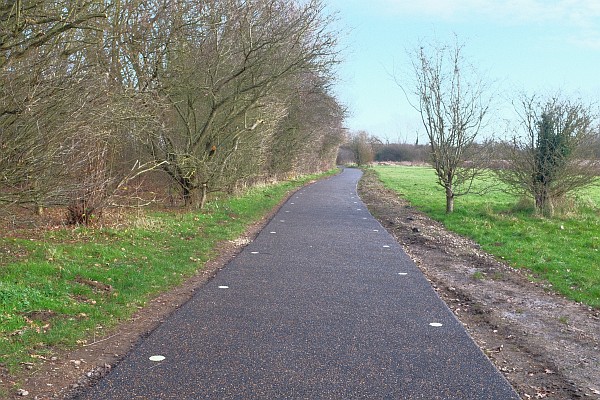
The path at the top of Barton Fields is being worked on as part of the improvement to the Route 5 Cycle Way.
Barton Fields
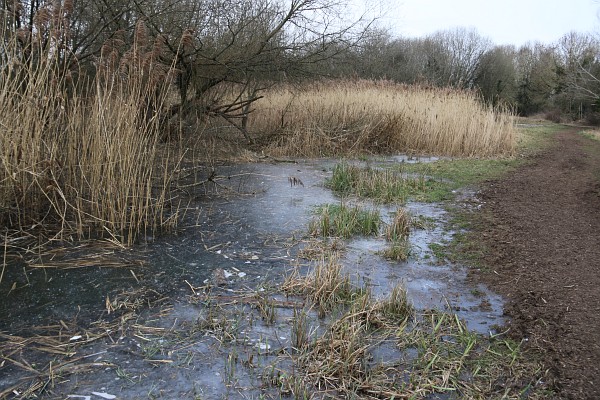
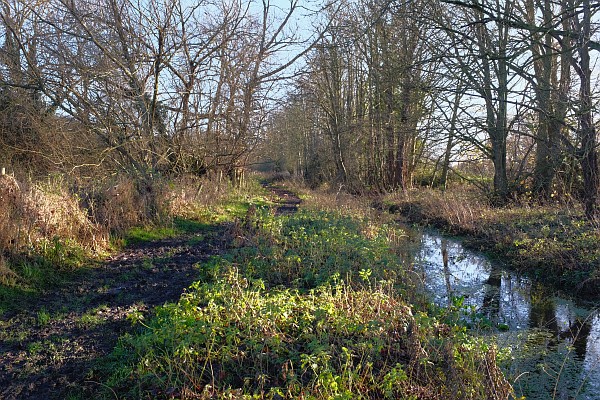
The path at the bottom gets boggy – in places – during the winter months. It is the Thames Path and is getting some boardwalks put in further along.

The paths are looked after by local councils. The meadow itself is cared for by the Abingdon Naturalists’ Society.

Barton Fields in September

Barton Fields - September
The footpath along the lower part of Barton Fields is very close to the River Thames and next to an overflow channel.
Barton Fields - September
Reeds and sedges grow where there are pools and boggy areas in the lower part.Barton Fields - September
Along the upper edge of the meadow runs a cycle way. Trees hide the buildings the other side, above the flood plain.
Barton Fields - September
A couple of weeks ago the grass was cut in the grassy flower meadow on the upper part.
Barton Fields - September
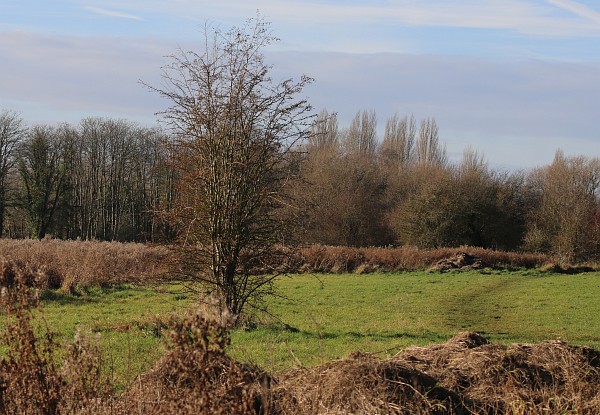
It got piled into several heaps. Green grass is already growing back.
Barton Fields - September
But we have reached the tipping point of the year at Barton Fields. Flowers have turned to seeds.
Barton Fields - September
Woody nightshade berries can be seen, dangerously red, at the lower end.
Barton Fields - September
Hawthorn berries at the upper part are a less striking shade.
Barton Fields - September
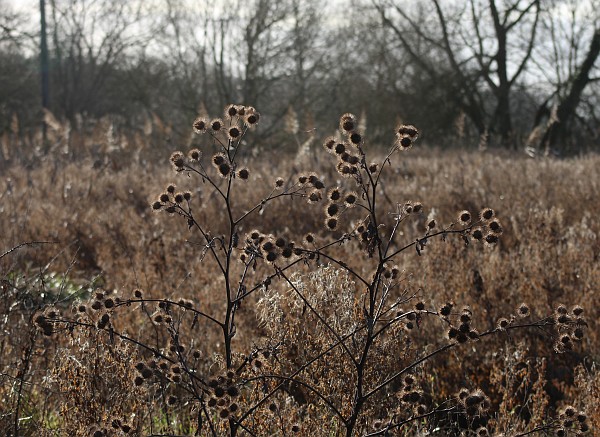
Teasel grows in both the upper and lower parts of the meadow. Spiders find their spikey heads an excellent place to spin webs.

Fallen Poplar

Fallen Poplar
Half a Poplar fell earlier in the year in the Abbey Meadows. The trunk and branches were splayed on the ground like the parts of a dinosaur skeleton. People climbed on it and reduced the twigs and small branches into even smaller bits. The larger branches were sawn off.
Fallen Poplar
The other half of the Poplar has also fallen. Poplars are tall and become brittle as they reach the end of their natural lifespan.
Fallen Poplar
The second half is now splayed out like the first.

Barton Fields in August

Barton Fields
I walked round Barton Fields, cared for by the Abingdon Naturalists, today – a hot day in the middle of August. There was purple loosestrife growing in colonies round the ditch that runs near the Thames, and in wetland areas at the centre.
Barton Fields
Bees and butterflies were attracted to the loosestrife and also the water mint growing on the wetlands. The smell of mint was refreshing on such a hot day.
Barton Fields
Apples, and hips, hoars, and various berries are nearing maturity. Apples had fallen in some areas.
Barton Fields
Blackberries are being harvested by people and birds.
Barton Fields
The lower half of the fields, where bindweed tangles with other plants, is lush and green.
Barton Fields
The upper half of the field has turned pale gold.
Barton Fields
Despite the heat, runners and cyclists exercised along the cycle path along the top of the meadow.