Category Archives: wildlife

Abbey Fish Ponds – June 2021


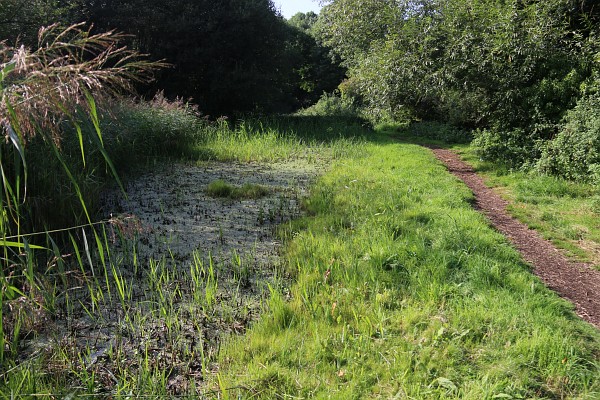
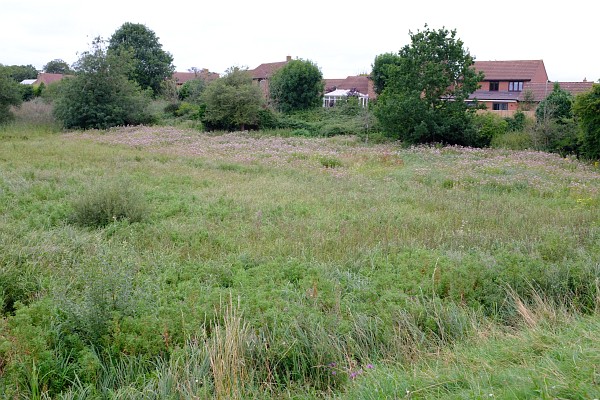
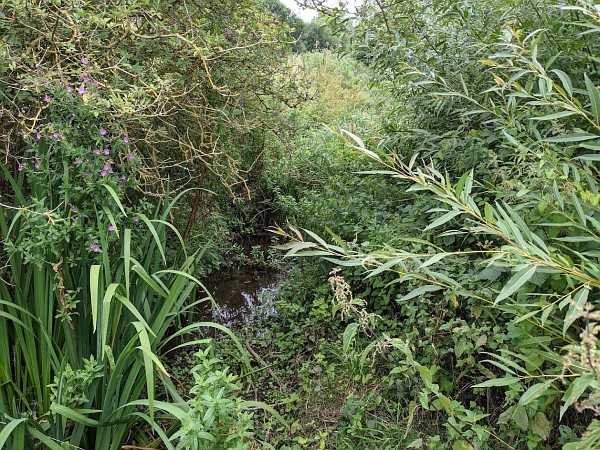
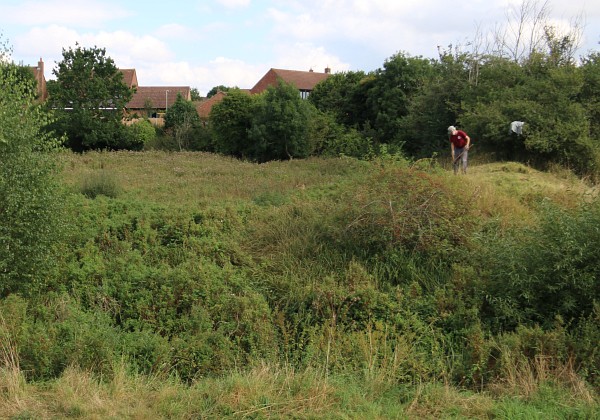
There was a drowsy feel walking though the Abbey Fishponds in the late afternoon. Elders are in flower

as are roses.

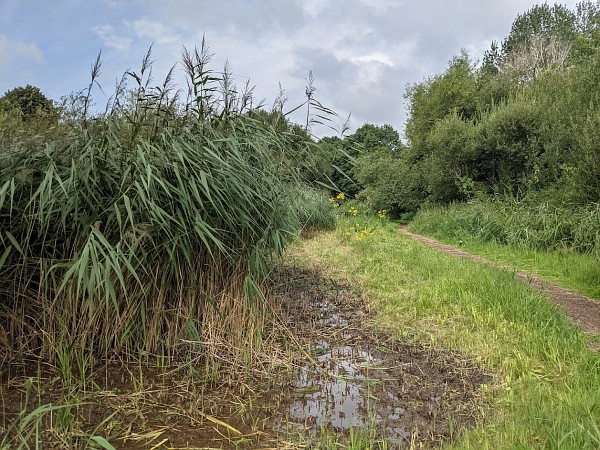
There are marshy pools although some have overgrown with tall thick reeds.

By the stream and in the read beds were lots of yellow flags.

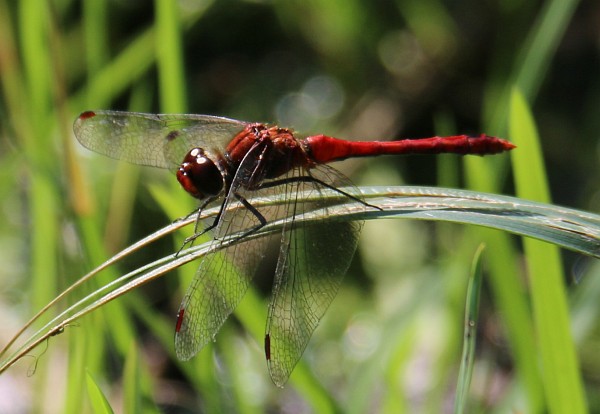
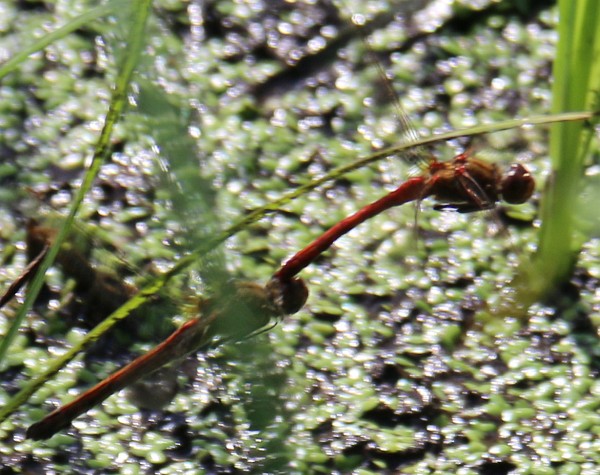
There were dragon flies and damsel flies flying over the ponds and resting sometimes on the reeds but not long enough for me to get a decent picture.

It is mid June and the longest day is June 21st. The first of the bramble blossoms are there and lots of insects, but fewer birds were apparent, and there was not much singing, in the heat.

River Ock during close season


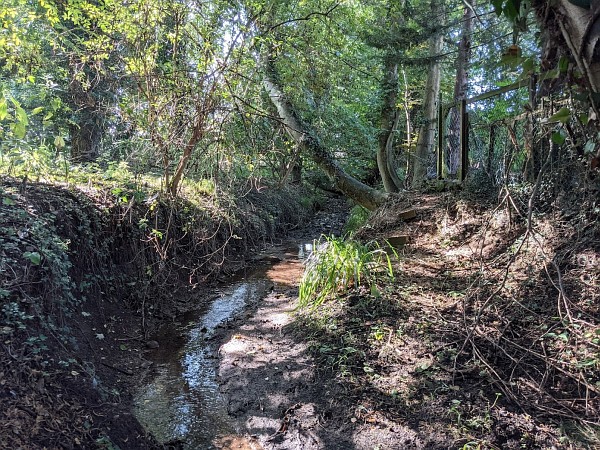
The River Ock is a stream that flows along the Vale of White Horse, mostly through fields and villages, but for the last half mile, before flowing into the River Thames, there is a shady tree lined walk between the houses of Abingdon called the Ock Valley Walk.

There was a heron near the walk today.

The close season for catching fish in rivers runs from 15th March and until 15th June and has ten days to go. This allows the fish to spawn in relative safety and protect fish stocks.

The close season does not apply to herons. This one was waiting patiently, standing still and relying on stealth, quick reactions, and excellent eyesight to catch its next meal.

The bushes and trees along the walk are at their finest in early June. The leaves are fresh and green. Birds are singing in the canopy.

Birds sound so close but, most of the time, they stay well hidden from my not-so-good eyesight.

There are places where the fish can be easily seen in the fast flowing shallows, heading upstream.

They could be feeding on what they can filter from the water. The adults might even be spawning. The heron is at a safe distance away.

Some wildlife is doing well


Cow parsley skirts the River Thames opposite the Old Anchor Inn.

Downstream from Abingdon, the riverbank is covered with flowers. Cow parsley grows just about anywhere. Then, as you walk further, a yellow flower takes over as the dominant plant.

The yellow flowers could well be self-seeded oil seed rape, although I can’t remember these particular fields having grown such a crop. They were grown two or three fields away.

There are sparrows flitting and chirping on the riverbank.

The mallard is the commonest, most widespread,  duck in Abingdon and you have a good chance of seeing mallards just about everywhere. They are most at home on or near the river, but can sometimes be seen in the strangest of places, like supermarket forecourts.