Category Archives: Abbey Grounds

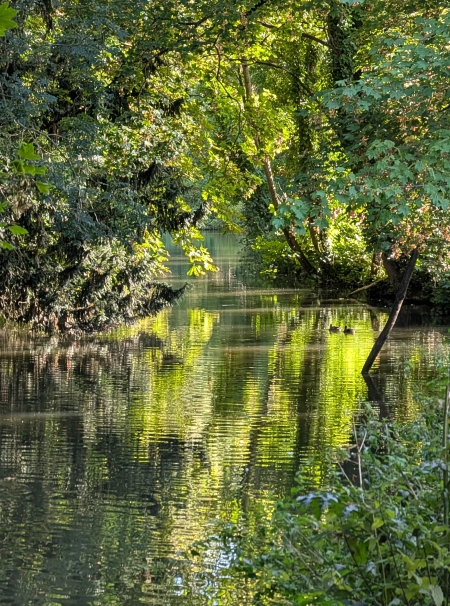
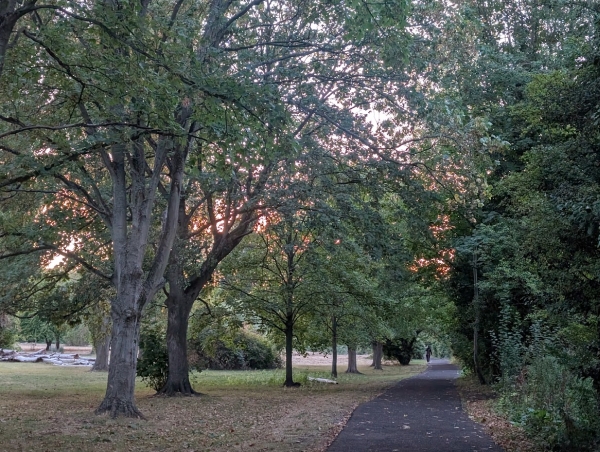
Abbey Millstream Through the Year: July 2026


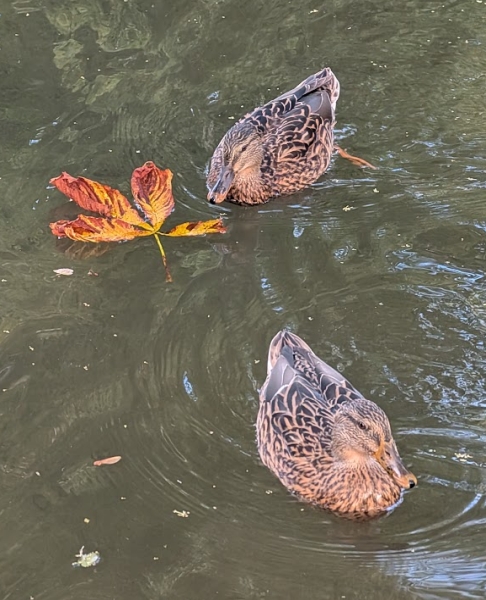
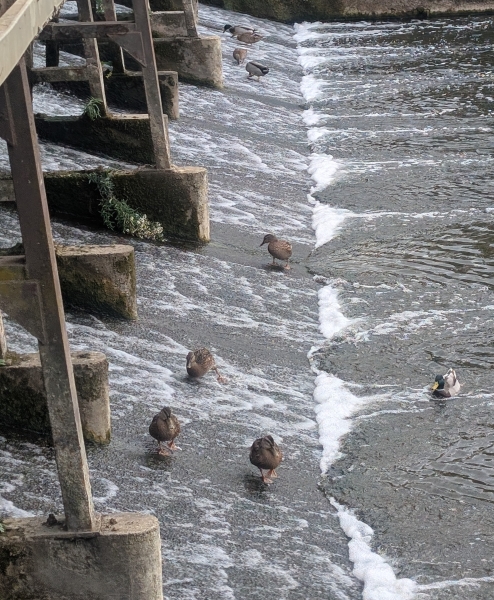
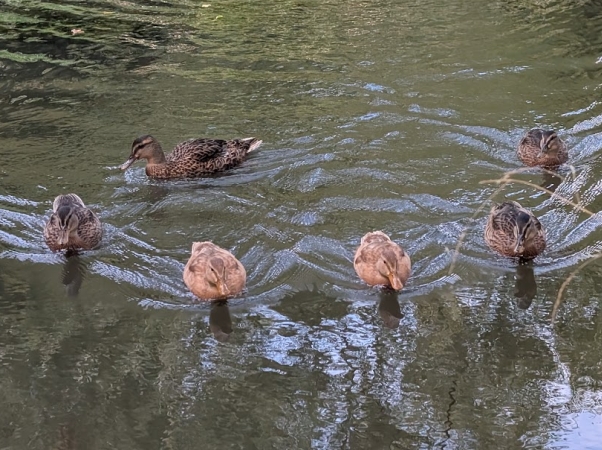
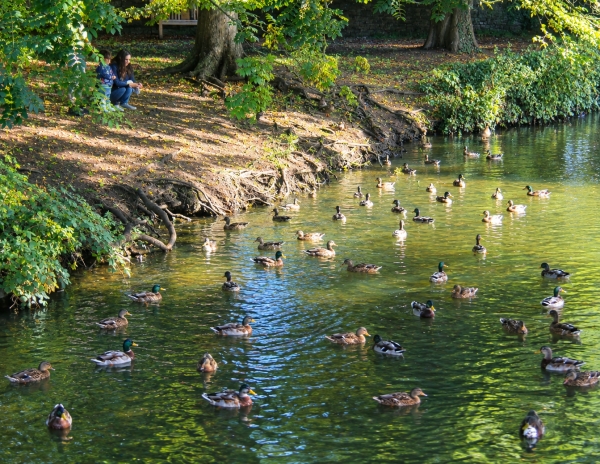
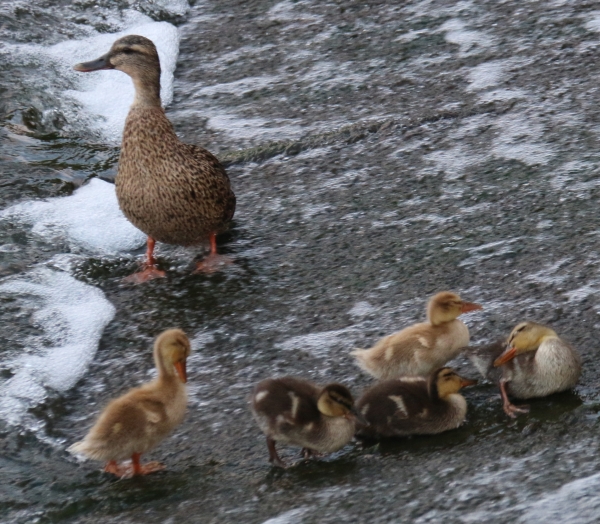
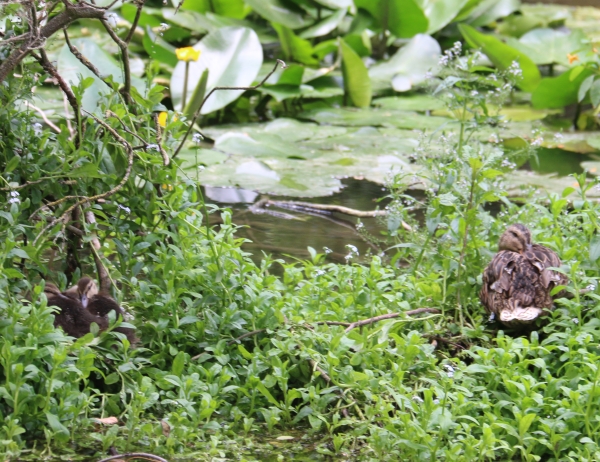
July is a good month for spotting young waterfowl along the Mill Stream, although many of the youngsters are well hidden. These ducklings were out in the open below the weir.

There seem to be plenty of ducklings about, but the thick summer growth along the banks provides plenty of places for them to shelter, making them difficult to spot.

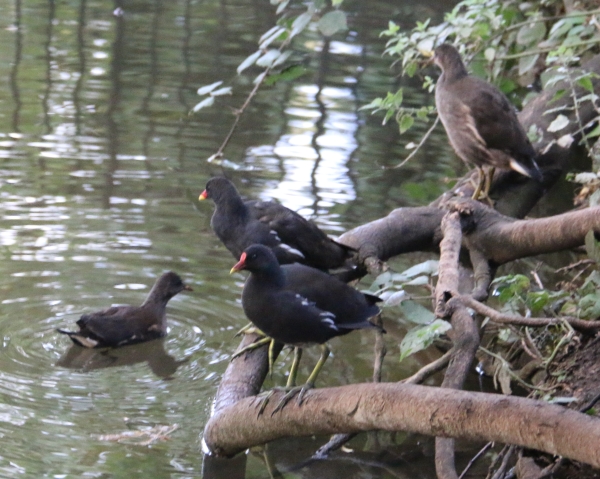
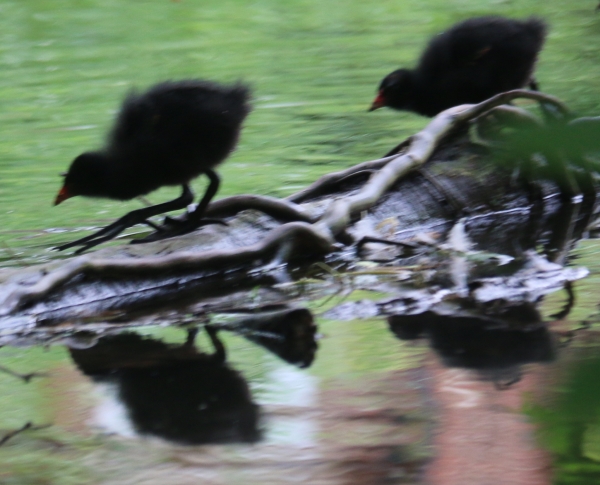
Moorhen chicks are often easier to find because of their high-pitched cheeping, which gives them away before they can be seen. Apart from the ducklings and moorhen chicks, I haven’t noticed many other young birds this month.

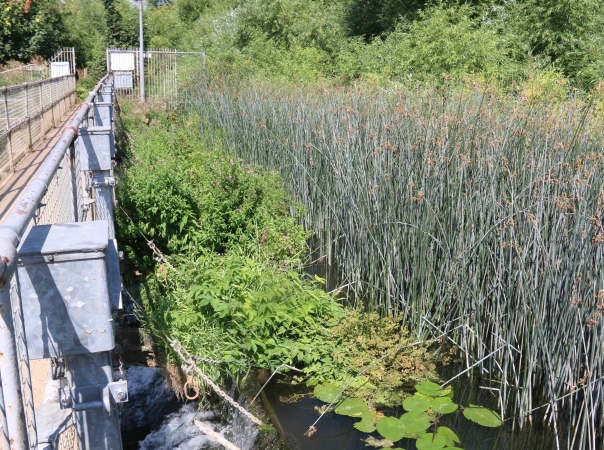
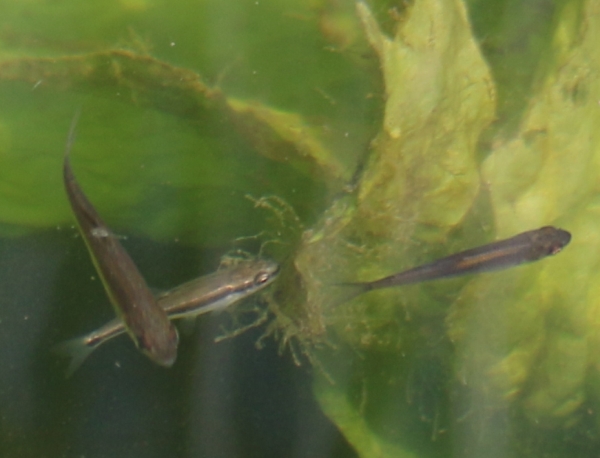
Around the weir, the reeds provide dense cover for wildlife. They protect not only birds but also large numbers of small fish.

The fish are easiest to see in the shallower water, or where bright green floating plants provide a contrast.

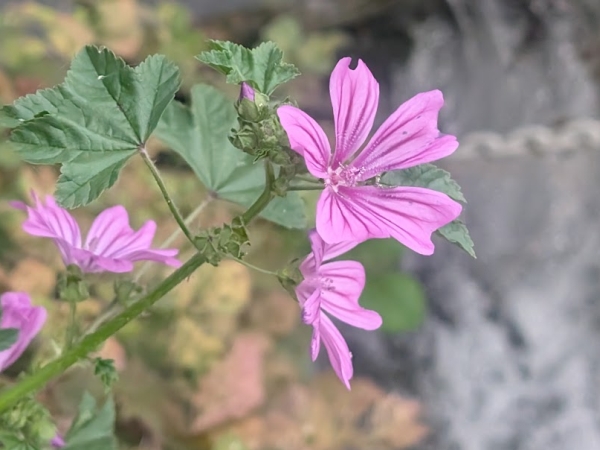
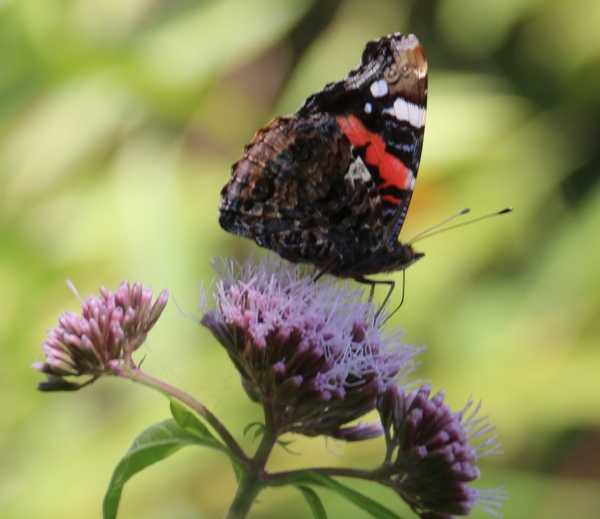
I found large numbers of Red Admirals feeding on a pink flowering plant beside the water’s edge.

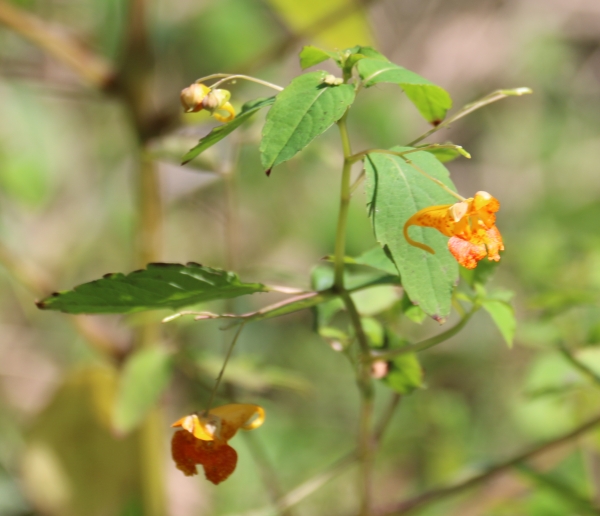
Another interesting plant growing beside the stream has orange flowers that look rather like tiny jugs. It may be Orange Balsam.

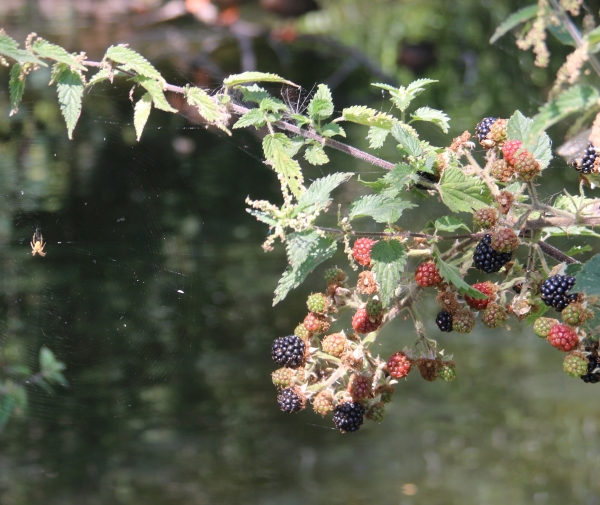
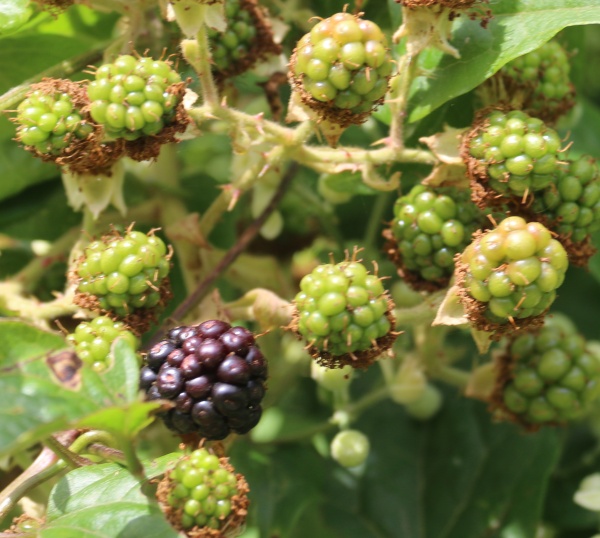
The brambles beside the Mill Stream and the larger bramble bushes in the Abbey Meadows have produced a good crop of blackberries throughout July.

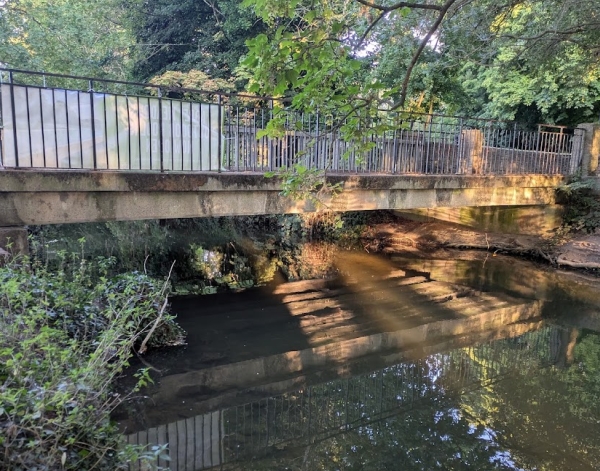
I met a couple using a 30-year-old walking guide who were puzzled by Abingdon’s Sword Bridge (the green iron footbridge, opened in 2007, with decorative motifs based on the ceremonial sword). It wasn’t shown in their guide. They were looking for the Abbey Gardens, so I pointed them towards the next bridge. That bridge, built by Cowley Concrete, looks striking in the early morning sunlight, with its underside reflected in the water.

Abbey Millstream Through the Year: June 2026


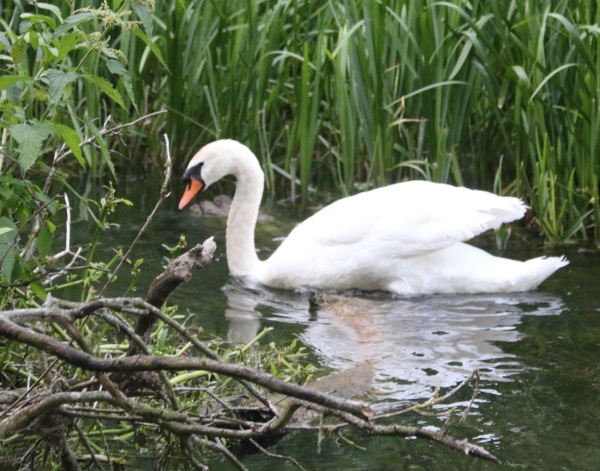
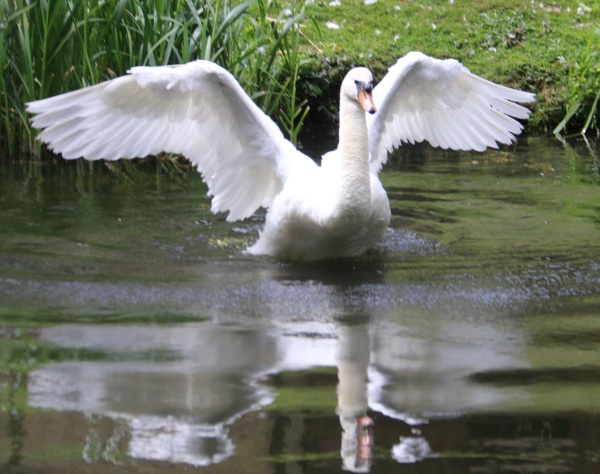
The Abbey Millstream is far more overgrown than it used to be. Swans now have to clamber over fallen trees and find a way through the reeds as they make their way from the weir towards the Abbey Gardens. While the vegetation makes life more difficult for the larger birds, it also provides plenty of dead branches as perches.

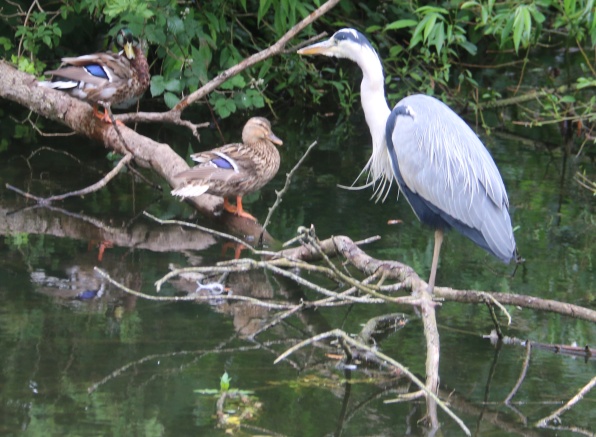
Sometimes the combinations of birds are unexpected, such as this heron sharing a perch with a group of ducks.

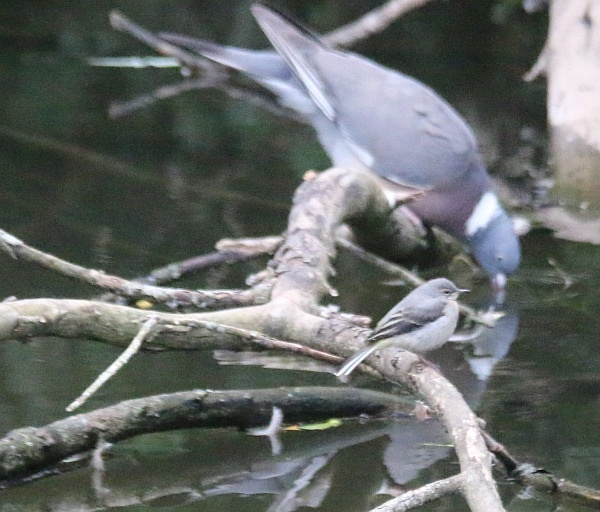
Or this wood pigeon alongside a young pied wagtail.

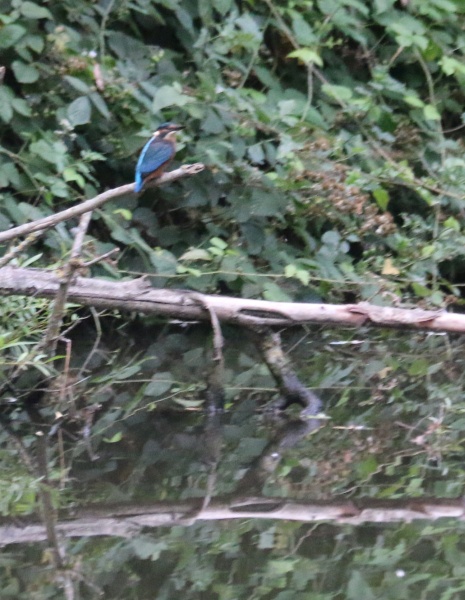
Another perching bird is the kingfisher. I spotted one this evening, but almost as soon as it landed it was gone in a flash of blue before I could get a better photograph. I saw it perch again a little further along, but this time it disappeared before I could even raise the camera. Even so, it was beautiful to see.

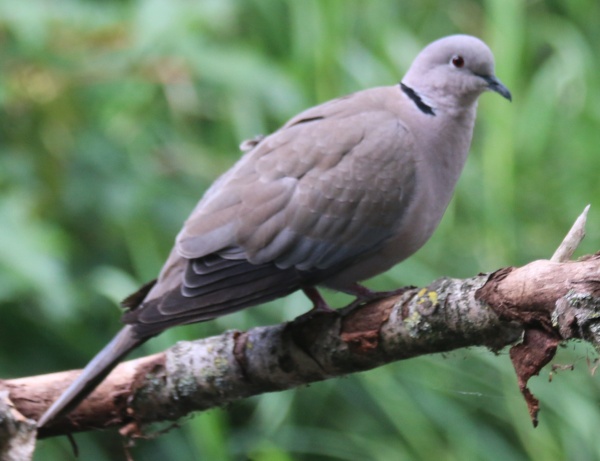
There was also a pair of collared doves perched beside the stream today. This is one of them.

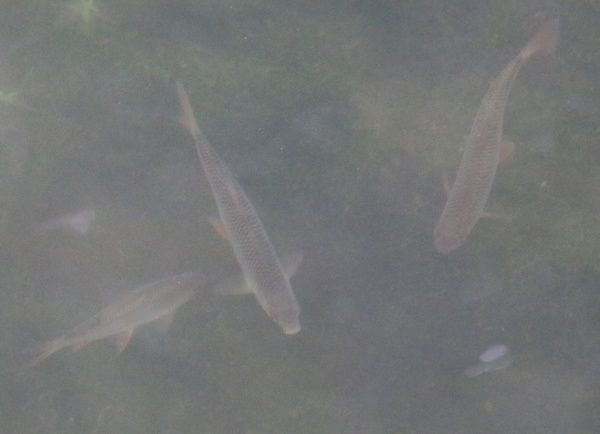
When the light catches the water at the right angle, fish can be seen swimming beneath the surface.

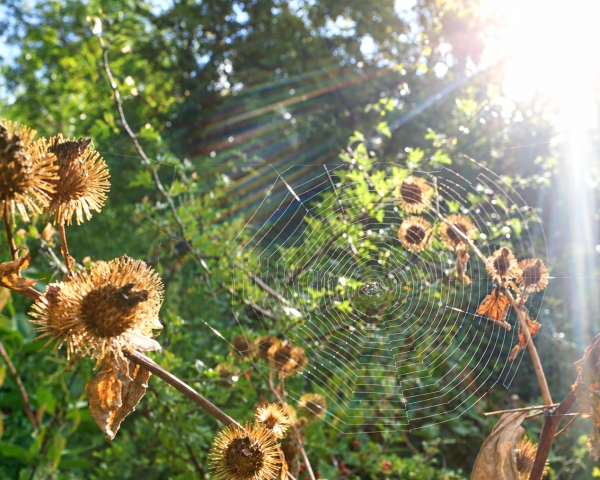
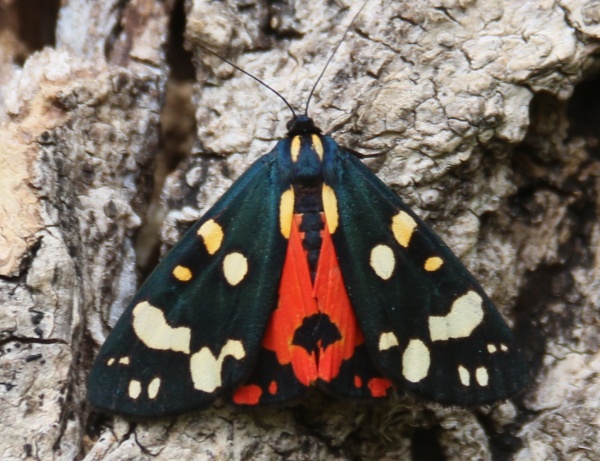
The insect life has also been thriving. One of the most colourful visitors I came across was this Scarlet Tiger Moth.

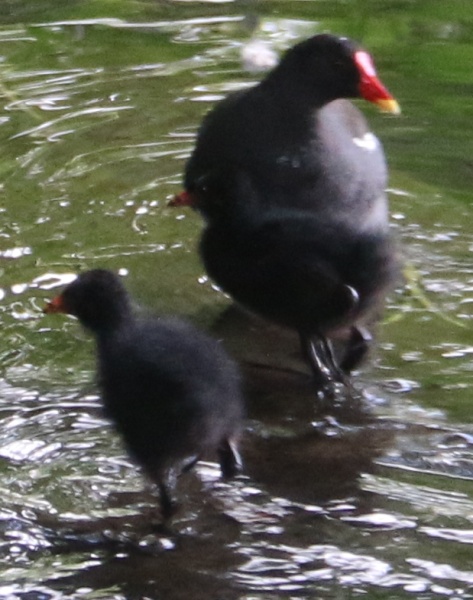
There are some ducklings, though not as many as you might expect given the number of ducks. The moorhens seem to have had more success, with several young birds around.
The swans have not produced any cygnets this year, at least not so far. I’m not sure why that should be.

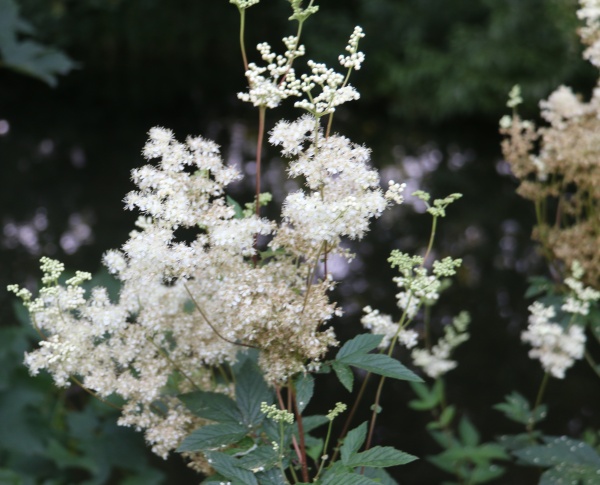
A succession of wild flowers has brightened the banks throughout the month. One of the sweetest-scented is meadowsweet.

Back in May I reported the blackberry blossom. On the last day of June the first blackberry had already appeared.

There will be many more in the coming days and weeks.

Abbey Pool Opening


The Abbey Meadows Outdoor Pool is now open, just in time for a spell of warmer weather. With the sunshine returning today, people were already making the most of it and enjoying a swim and sun bathe.

I wasn’t able to go inside to take photographs, but nearby Sally from the Carbon Cutters and a colleague were busy planting and watering the Edible Abingdon plot beside the pool. Behind them, if you look carefully, you can just glimpse a lifeguard on duty and swimmers in the pool.

The pool’s opening times will remain weather dependent. Staff have been hard at work over the past week or so getting everything ready for the new season.

Abbey Gardens: wildlife-friendly drought-tolerant plants


The new planting scheme in the Abbey Gardens ornamental beds is now beginning to fill out. Recent rainfall, together with a layer of mulch, has helped get the young plants established.  Earlier this spring, perennial plants were introduced as part of a move away from traditional seasonal bedding. The scheme, developed by the Grounds Maintenance and Climate and Biodiversity teams at VWHDC (Vale of White Horse District Council), replaces short-lived annual displays with longer-lived, drought-tolerant planting designed to support wildlife and improve resilience and reduce maintenance.

The plants, supplied by a local Oxfordshire nursery, were selected for both their hardiness and their value to pollinators. Species include alliums, asters, anemones, coneflowers, field scabious, catmint (shown above), thyme, and verbena.