The Town Council meeting began with a minute’s silence during which members remembered former Abingdon Mayor Councillor Nigel Trippett. He served as Mayor from 1980–1981. To commemorate the 80th birthday of Her Majesty Queen Elizabeth The Queen Mother, he led a special Bun Throwing celebration before travelling to Clarence House to present the Queen Mother with one of Abingdon’s buns.
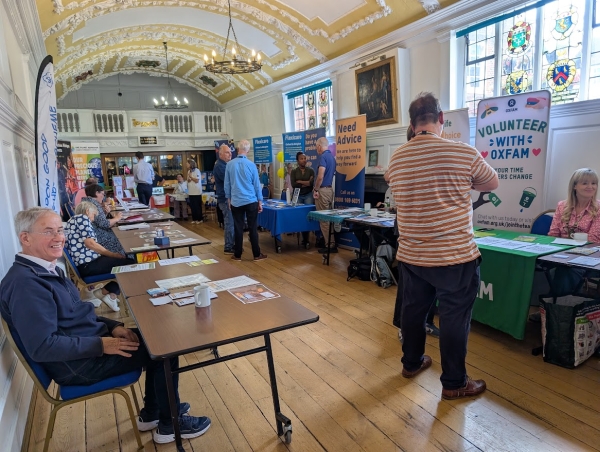
The current Mayor, Cllr Andrew Skinner, then spoke about his engagements and gave special mention to the volunteers’ day that he had started. It had been a success, and ARCh (Assisted Reading for Children) said they had got volunteers. The Mayor asked the council whether they would like to run such a day every year. He said it meets a different need from the Clubs and Societies Day. The council voted to hold a volunteers’ day annually.
Cllr Tom Greenaway, who is also a County Councillor, gave a report on what is happening at the County Council:
* Annual gully inspections and clearing have revealed a large backlog of maintenance which are being progressed.
* The temporary Oxford congestion charge has ended, and the traffic filters trial is now operating following the reopening of Botley Road. Botley Road is currently the only route into Oxford that does not pass through a permit point, making it the main unrestricted entry route for visitors from outside Oxfordshire.
* Oxfordshire’s SEND (Special Educational Needs) reform plan has been accepted by the Government. This brings in a grant that should help reduce the SEND deficit.
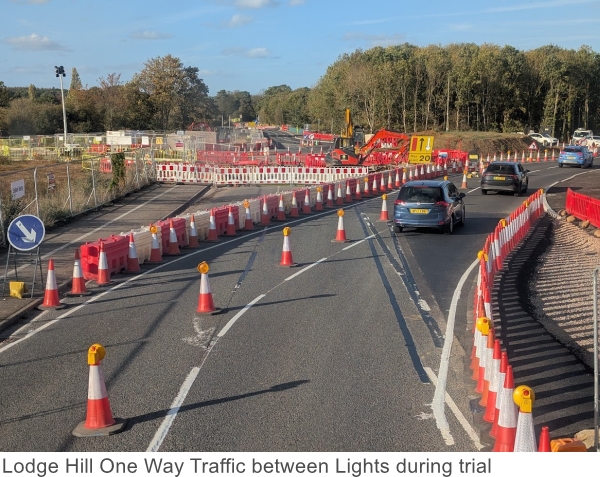
* Temporary traffic lights at the top of Lodge Hill have been removed after a trial. The County Council had allowed two roadworks to overlap in an attempt to reduce the disruption caused by the Oxford Road roundabout works.
* Cllr Greenaway encouraged residents to follow Cllr Nathan Ley’s newsletter for updates on local and national government matters: https://cllrdrnathanley.substack.com/p/abingdon-councillor-newsletter-september

There was also a report from the VWHDC District Council:
* Local Government Reorganisation (LGR) paused.
* Changes to planning decisions: Vale councillors have amended the council’s constitution to comply with new Government planning regulations. Councillors will now only decide in committee the larger developments; other developments will be decided by officers.
* The Vale has begun an initial scoping consultation for the second Joint Local Plan.
* New parking ticket machines are being installed in all 13 Vale car parks.
* Work to get the Chilton Close trash screen functioning properly is almost complete. This should alleviate flooding.
The Town Council then went through the minutes from the different Town Council committees.
Community Committee
The committee agreed some grants and partial grants, namely full grants for Abingdon Church Twinning and Trinity Learning, and partial grants for Abingdon Youth Club, Racial Equality Group, Spartans Elite ABC CIC, and Play2Give. Other grants were referred up to the Finance Committee because they were for larger amounts and might benefit from CIL funding grants (developer funding).
The council also part‑funds a PCSO and wanted to have regular talks with the local police inspector to discuss what the police focus on.
Environment Committee
The committee approved a ban on disposable plastic carrier bags for traders in the town marketplace and at Town Council‑supported events, effective 1 October 2026.
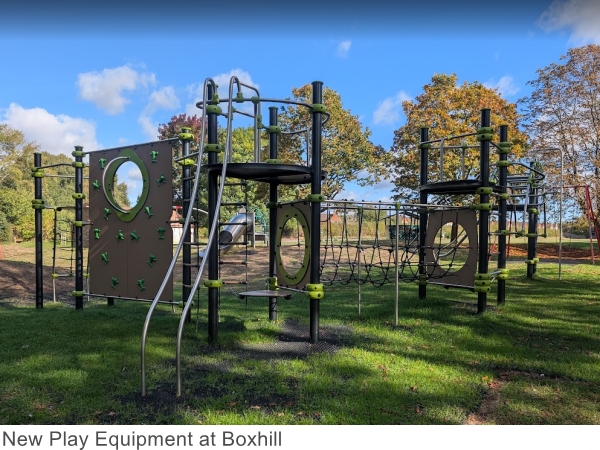
There was new play equipment at Boxhill and Caldecott playparks, and more is on the way, including a Ninja Fitness Trail and adult fitness equipment at Chilton Close, and a MUGA wall at Boxhill.
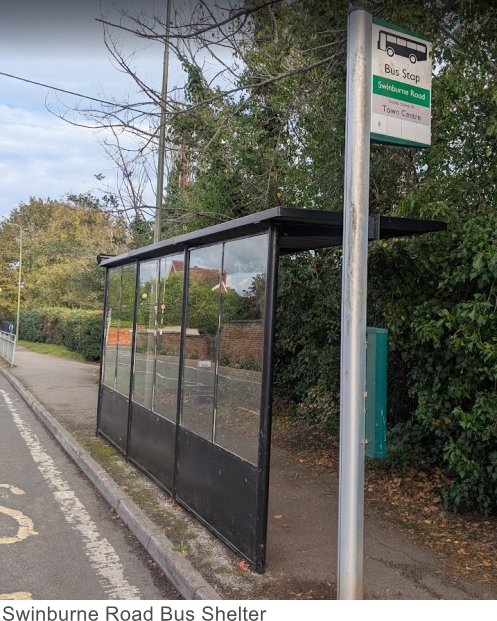
Bus shelter improvements: replacement of the shelter at Radley Road / Swinburne Road was prioritised.
In terms of public art, there was talk of progressing town entry signs and a proposed St Edmund’s statue in principle.
The Biodiversity competition involving use of school grounds and allotments were presented at the end of September.
Finance Committee
As well as looking at the council finances and progressing work on council properties (LED lights for the magistrates’ court and solar panels at the cemetery works depot), the committee decided four of the five grants sent to it from the Community Committee and gave funding to: Friends of St Edmund’s School, Northcourt Centre, North East Abingdon Community Association (NEACA), and Hadland Road Community Association from CIL funding.
St Etherwold’s £20,000 grant application was referred to Full Council for consideration of CIL funding.
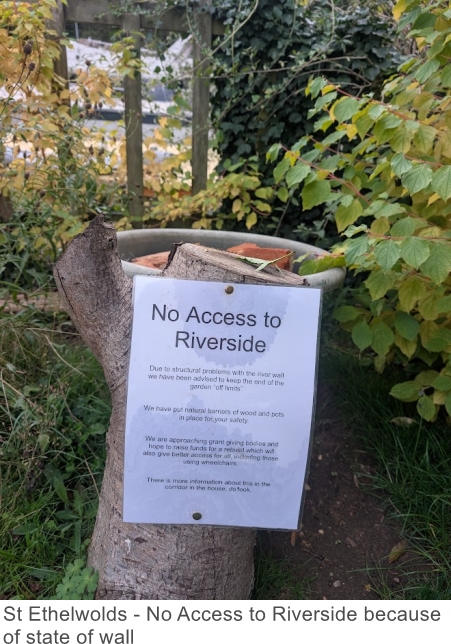
It was at this point that the St Ethelwold’s grant for work on the riverside wall (of their community garden) was discussed. It needs repairing and access improvements. St Ethelwold’s have already raised £40K, and £20K from the council would help secure further grants. This was the second most discussed item during the meeting. The CIL money allocated for grants from the north Abingdon developments is down to £37K, and £10K of that is for the Abbey buildings, so using £20K would only leave £7K. After discussion it was decided to give St Ethelwolds £10K. Soon such larger grants from the town council will vanish.
Planning Committee
The committee described some of its extensive work. The change to planning regulations will still mean the Town Council can give its view on planning applications to the Vale officer making the decision, and officers still values local input so long as it is specific.
The council then went into its longest discussion about the terms of reference for a new working party called the Community Safety & Inclusion Working Party. It had been set up after a resolution in a previous council. Its purpose is to help make Abingdon a place where all communities feel safe, welcome, and able to participate fully in town life.
However, some of the councillors thought its aim was too broad and open‑ended and that it should pick two or three things to focus on; otherwise it did not have the resources to succeed. There are only 8 months until the next town council elections. A debate went back and forth for some time without reaching agreement. The working party will go away and come back to the Community Committee, to which it will report, with updated terms of reference.